Introduction
George Washington was one of the most influential figures in American history, best known as the first President of the United States and the commander of the Continental Army during the American Revolutionary War. Often referred to as the “Father of His Country,” Washington played a crucial role in the founding of the United States and helped establish the principles and institutions that continue to shape the nation today. His leadership, integrity, and commitment to public service earned him widespread respect both during his lifetime and in the centuries that followed.
Born on February 22, 1732, in the Virginia Colony, Washington rose from a young surveyor and plantation owner to become a military leader and statesman of extraordinary importance. His early experiences on the American frontier, combined with his service in the French and Indian War, helped develop the leadership skills that would later guide the American colonies through their struggle for independence from Great Britain. His ability to unite diverse groups of people under a common cause became one of his defining characteristics.
Beyond his military achievements, Washington’s presidency established many of the traditions and precedents that continue to influence the American government. He helped strengthen the newly formed federal government, promoted national unity, and voluntarily stepped down after two terms, setting a powerful example of democratic leadership. More than two centuries after his death, George Washington remains a symbol of patriotism, courage, and responsible governance, with his legacy continuing to inspire people around the world.
Early Life
George Washington was born on February 22, 1732, in Westmoreland County, Virginia, which was then part of British America. He was the eldest child of Augustine Washington and Mary Ball Washington from his father’s second marriage. Washington grew up in a prosperous farming family that owned land and enslaved laborers, giving him exposure to the responsibilities of plantation management from an early age. His childhood was spent in rural Virginia, where he developed a strong appreciation for agriculture, outdoor life, and the values of discipline and hard work.
When Washington was just eleven years old, his father passed away, a loss that significantly shaped his upbringing and future opportunities. Unlike many wealthy young men of his era, he did not travel to England for formal education. Instead, he received instruction from local tutors and learned practical subjects such as mathematics, surveying, and geography. His mother played a major role in guiding his development, encouraging self-reliance and determination during his formative years. These experiences helped build the character and resilience that would later define his leadership style.
As a teenager, Washington became interested in land surveying, a profession that offered both adventure and financial opportunity. Through the influence of his older half-brother, Lawrence Washington, he gained access to important social and political circles in Virginia. At the age of seventeen, he secured employment as a surveyor in Virginia’s frontier regions, where he traveled extensively and gained firsthand knowledge of the land and its people. These early experiences broadened his understanding of colonial America, enhanced his reputation, and laid the foundation for his future success as a military leader, landowner, and statesman.
Education
Unlike many of the prominent political leaders of his generation, George Washington did not receive a formal college education. He attended local schools in Virginia during his childhood, where he studied basic subjects such as reading, writing, mathematics, history, and geography. His education was practical rather than academic, reflecting the opportunities available in colonial America at the time. Although he never attended a university, he developed a lifelong commitment to learning and self-improvement through independent study and real-world experience.
A significant part of Washington’s education came from private tutors and personal reading. He demonstrated a strong aptitude for mathematics and surveying, skills that proved invaluable throughout his career. As a young man, he carefully studied books on military tactics, agriculture, leadership, and etiquette. One of the most influential documents he copied and practiced was a collection of moral and social guidelines known as the “Rules of Civility and Decent Behaviour,” which helped shape his sense of discipline, respect, and personal conduct.
Washington’s greatest classroom was the world around him. His work as a surveyor exposed him to the geography, people, and challenges of the American frontier, providing practical lessons that no formal institution could offer. Later, his military service during the French and Indian War further expanded his knowledge of leadership, strategy, and administration. Through experience, observation, and continuous self-education, Washington acquired the skills necessary to become a successful military commander, respected statesman, and the first President of the United States, proving that formal schooling is only one path to greatness.
Career
George Washington’s career began in the field of land surveying, where he gained valuable experience exploring and mapping large areas of Virginia’s frontier. As a young surveyor, he developed a reputation for accuracy, discipline, and reliability, earning the trust of influential landowners and government officials. His work provided him with financial stability and extensive knowledge of the American landscape, helping him establish connections that would benefit him throughout his life. This early profession also laid the foundation for his future success as a landowner and public figure.
Washington’s military career started during the French and Indian War (1754–1763), where he served in the Virginia militia. He quickly rose through the ranks and gained firsthand experience in military leadership, strategy, and frontier warfare. Although some of his early campaigns were challenging, they provided valuable lessons that shaped his abilities as a commander. His service brought him recognition throughout the colonies and helped establish his reputation as a courageous and determined leader. The military skills he acquired during this period would later prove essential during the American Revolution.
In 1775, as tensions between the American colonies and Great Britain escalated into war, the Continental Congress appointed Washington as Commander-in-Chief of the Continental Army. Leading a poorly equipped and often outnumbered force, he guided the colonies through eight difficult years of conflict. His leadership during key moments, including the crossing of the Delaware River and the victory at Yorktown in 1781, helped secure American independence. Washington’s ability to inspire his troops, maintain unity among the colonies, and persevere through adversity made him one of the most respected military leaders in American history.
Following the Revolutionary War, Washington became a leading advocate for a stronger national government. He played an important role in the Constitutional Convention of 1787, which produced the United States Constitution. His reputation for integrity and leadership made him the unanimous choice to become the first President of the United States in 1789. During his presidency, he established many of the traditions, institutions, and precedents that continue to guide the office today. He created the first presidential cabinet, strengthened the federal government, and worked to maintain stability in the young nation.
After serving two terms as president from 1789 to 1797, Washington voluntarily stepped down from office, setting a powerful example of democratic leadership and the peaceful transfer of power. He returned to his estate at Mount Vernon, where he focused on agricultural innovations and managing his extensive property. Even in retirement, he remained an influential national figure whose advice was sought by political leaders. George Washington’s career as a surveyor, military commander, statesman, and president left an enduring impact on the United States and secured his place as one of the most significant figures in world history.
Personal Life and Family
George Washington’s personal life was deeply connected to his family, his home at Mount Vernon, and his sense of duty and responsibility. He was born to Augustine Washington and Mary Ball Washington on February 22, 1732, in Virginia. Following the death of his father when George was only eleven years old, his mother played a significant role in raising him and shaping his character. Washington also maintained a close relationship with his older half-brother, Lawrence Washington, whose influence helped introduce him to influential social and political circles in colonial Virginia. Lawrence’s mentorship had a lasting impact on the young Washington and helped guide his early career.
One of the most important events in Washington’s personal life was his marriage to Martha Dandridge Custis, a wealthy widow, on January 6, 1759. Martha had previously been married to Daniel Parke Custis and had two surviving children, John Parke Custis and Martha “Patsy” Custis. Although George and Martha Washington never had biological children together, Washington embraced his role as a father figure to Martha’s children and later helped raise several of their grandchildren. Their marriage was widely regarded as a strong and supportive partnership that lasted for more than forty years until Washington’s death in 1799.
Family life at Mount Vernon was central to Washington’s identity outside of politics and military service. Despite the demands of public office, he valued spending time with Martha Washington and managing his estate. Friends, relatives, and visitors frequently gathered at Mount Vernon, making it one of the most well-known homes in early America. Washington was known for his reserved personality, strong moral principles, and commitment to family responsibilities. His enduring relationship with Martha Washington remains one of the most significant aspects of his personal life, and together they became one of the most respected couples in American history.
Age, Religion, Tribe, Height and Physical Appearance
George Washington was born on February 22, 1732, in Westmoreland County, Virginia, and lived for 67 years before passing away on December 14, 1799. During his lifetime, he played a pivotal role in the founding of the United States, serving as the commander of the Continental Army during the American Revolutionary War and later becoming the nation’s first president. His long and distinguished career made him one of the most influential political and military figures in world history.
Regarding religion, Washington was a member of the Anglican Church, which became the Episcopal Church in the United States after independence. He regularly attended church services and believed that religion and morality were important foundations for society and good government. Although he was private about many of his personal religious beliefs, his public speeches and writings frequently expressed faith in Divine Providence and emphasized the importance of virtue, integrity, and religious tolerance among citizens of the new nation.
The concept of “tribe” as commonly used in many modern societies does not directly apply to George Washington. Ethnically, he was of English descent, with his family tracing its roots to England. The Washington family belonged to the colonial Virginia planter class, a social group that held considerable influence in the economic and political life of eighteenth-century America. His ancestry and upbringing reflected the culture and traditions of British colonial society before the American Revolution.
George Washington was renowned for his remarkable height and strong physical presence. Historical accounts indicate that he stood approximately 6 feet 2 inches (188 centimeters) tall, making him unusually tall for his era. He maintained a robust and athletic physique through years of surveying, horseback riding, farming, hunting, and military service. His strength, endurance, and commanding stature contributed significantly to the respect he earned from soldiers, political leaders, and the public.
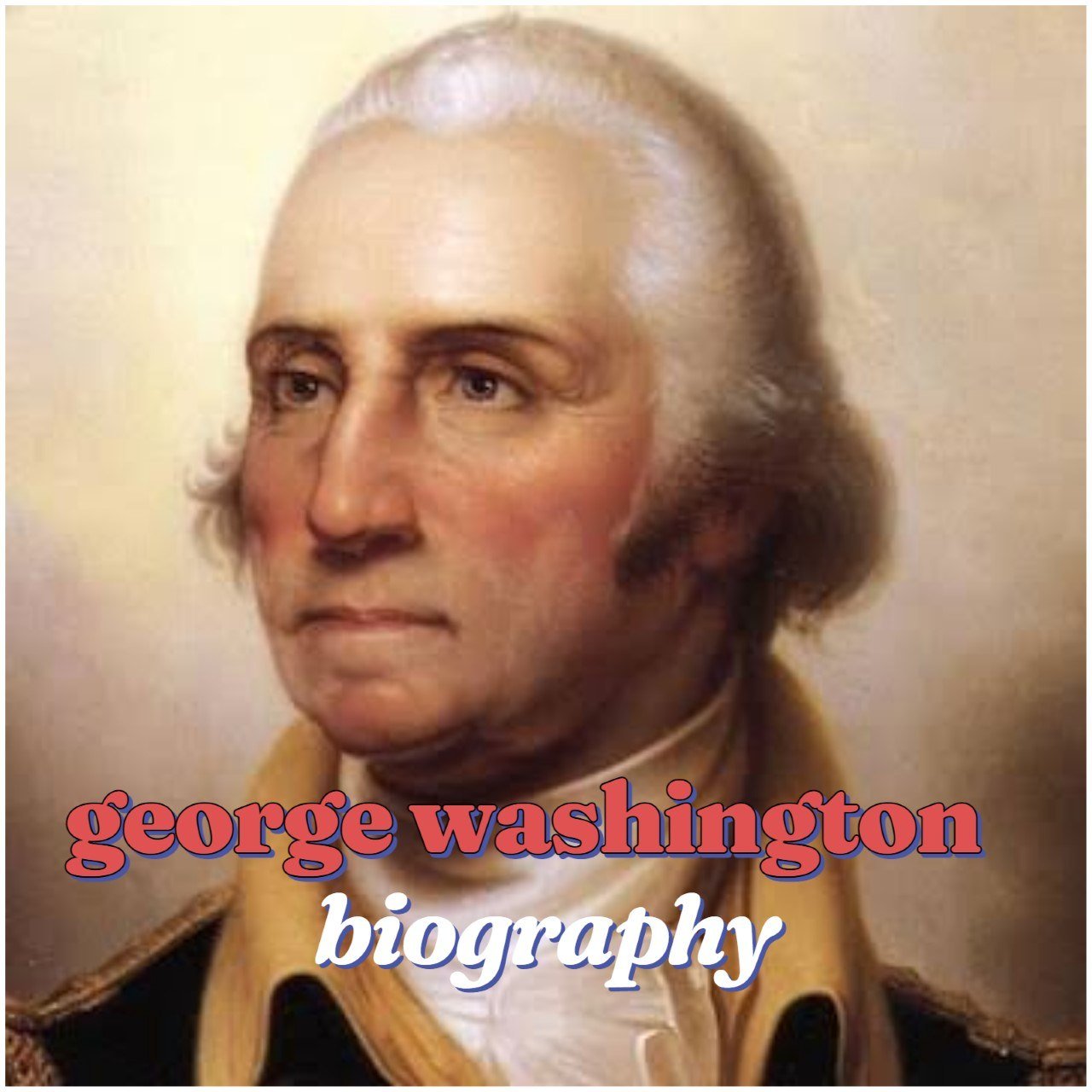
In terms of physical appearance, Washington was known for his broad shoulders, muscular build, blue-gray eyes, and reddish-brown hair. He possessed a dignified and authoritative bearing that impressed contemporaries and enhanced his reputation as a leader. Contrary to a common misconception, he did not typically wear a wig; instead, he styled and powdered his natural hair in accordance with the fashion of the eighteenth century. His composed expression, disciplined posture, and distinguished appearance helped create the enduring image of George Washington as one of the most recognizable figures in American history.
Net Worth
Determining George Washington’s exact net worth is difficult because modern financial measurements did not exist during the eighteenth century. However, historians widely agree that he was one of the wealthiest individuals in early America. His wealth came primarily from his extensive landholdings, agricultural operations at Mount Vernon, investments, and assets acquired through his marriage to Martha Washington. Based on historical economic comparisons, many researchers estimate that Washington’s fortune would be worth between $500 million and $700 million in today’s money, although some estimates place it even higher depending on the method used to calculate historical wealth.
A significant portion of Washington’s wealth was tied to land ownership. Throughout his life, he accumulated thousands of acres across Virginia and other territories, making him one of the largest landowners in the young United States. Mount Vernon alone was a vast and productive estate consisting of multiple farms, livestock operations, and agricultural enterprises. In addition to farming, Washington invested in land speculation and other business ventures, which further increased his financial standing. His marriage to Martha Dandridge Custis, one of the wealthiest widows in Virginia, also expanded the family’s overall economic resources.
Although Washington lived comfortably and possessed substantial wealth, he often faced cash-flow challenges due to the nature of land-based wealth and the costs associated with maintaining large estates. Nevertheless, his overall financial position remained exceptionally strong throughout his life. If George Washington’s assets were converted into modern economic terms, he would likely rank among the wealthiest presidents in American history. His financial success reflected not only his inheritance and marriage but also his skills as a landowner, businessman, agricultural innovator, and investor.
Death and Cause of Death
George Washington died on December 14, 1799, at his beloved Mount Vernon estate in Virginia at the age of 67. His death marked the end of a remarkable life dedicated to military service, public leadership, and the founding of the United States. At the time of his passing, Washington had been retired from public office for nearly three years after voluntarily stepping down following two successful terms as the nation’s first president. News of his death spread quickly throughout America and abroad, prompting widespread mourning and tributes from political leaders, military officers, and ordinary citizens who viewed him as a national hero.
The events leading to Washington’s death began on December 12, 1799, when he spent several hours outdoors on horseback inspecting his farms despite cold, wet, and snowy weather conditions. The following day, he developed a severe sore throat, hoarseness, and difficulty breathing. His condition rapidly worsened, and several physicians were called to treat him. In accordance with the medical practices of the era, doctors performed multiple bloodletting procedures and administered various remedies in an attempt to relieve his symptoms. Despite these efforts, Washington’s health continued to decline throughout the day.
Historians and medical experts generally believe that Washington died from a severe throat infection, most likely acute bacterial epiglottitis, acute laryngitis, or a similar respiratory illness that caused swelling and obstruction of his airway. Modern medical analysis suggests that the extensive bloodletting performed by his physicians may have further weakened him by causing significant blood loss. Washington passed away peacefully on the evening of December 14, 1799, surrounded by family members, friends, and trusted aides. His final words reportedly included instructions for his funeral arrangements. His death was mourned across the young nation, and his legacy as the “Father of His Country” continues to endure more than two centuries later.
Legacy
George Washington’s legacy is rooted in his extraordinary role in the founding of the United States. As Commander-in-Chief of the Continental Army during the American Revolutionary War, he led the colonies through years of hardship and helped secure independence from Great Britain. His leadership, perseverance, and ability to unite people behind a common cause transformed him into a national hero. Without Washington’s military leadership and commitment to the revolutionary cause, the formation of the United States as an independent nation might have taken a very different course.
Washington’s influence extended far beyond the battlefield. As the first President of the United States, he established many of the traditions and precedents that continue to guide the presidency and the federal government today. He helped strengthen the Constitution, organized the executive branch, created the first presidential cabinet, and promoted the principle of national unity above partisan interests. Perhaps most importantly, he voluntarily stepped down after serving two terms, setting a powerful example of democratic leadership and the peaceful transfer of power that became a cornerstone of American democracy.
More than two centuries after his death, George Washington remains one of the most respected and admired figures in American history. His image appears on the one-dollar bill and the quarter, while the nation’s capital, Washington, D.C., bears his name. Schools, monuments, parks, and public institutions across the United States continue to honor his contributions. Historians consistently rank him among the greatest American presidents because of his character, vision, and dedication to public service. His legacy as a military commander, Founding Father, statesman, and symbol of national unity continues to inspire generations around the world.
Conclusion
George Washington remains one of the most influential figures in world history and a foundational leader in the development of the United States. From his early years as a surveyor and military officer to his leadership during the American Revolution and his service as the nation’s first president, Washington demonstrated remarkable courage, integrity, and dedication to public service. His contributions helped secure American independence, establish democratic institutions, and set standards of leadership that continue to shape governments today. More than two centuries after his death, his legacy endures as a symbol of patriotism, unity, and responsible leadership, ensuring that his impact on American history will never be forgotten.
Frequently Asked Questions (FAQs) About George Washington
Who was George Washington?
George Washington was an American military leader, Founding Father, and statesman who served as the first President of the United States from 1789 to 1797. He is widely known as the “Father of His Country” for his role in leading the American colonies to independence and helping establish the U.S. government.
When and where was George Washington born?
George Washington was born on February 22, 1732, in Westmoreland County, Virginia, which was then part of British America.
How old was George Washington when he died?
George Washington was 67 years old when he died on December 14, 1799, at his Mount Vernon estate in Virginia.
What was George Washington’s nationality?
George Washington was born a British subject in colonial Virginia. After the American Revolution, he became a citizen of the newly independent United States and is recognized as one of its Founding Fathers.
What religion was George Washington?
George Washington was a member of the Anglican Church, which later became the Episcopal Church in the United States. He believed in the importance of faith, morality, and religious freedom.
Who was George Washington’s wife?
George Washington was married to Martha Dandridge Custis, a wealthy widow, on January 6, 1759. Their marriage lasted for more than forty years until Washington’s death.
Did George Washington have children?
George Washington did not have any biological children. However, he helped raise Martha Washington’s two children from her previous marriage and later cared for several of their grandchildren.
What was George Washington’s height?
George Washington was approximately 6 feet 2 inches (188 centimeters) tall, making him unusually tall for his time.
What was George Washington’s net worth?
Although exact figures are impossible to determine, historians estimate that George Washington’s wealth would be worth approximately $500 million to $700 million in today’s money, primarily due to his extensive landholdings and business interests.
What was George Washington famous for?
George Washington is famous for leading the Continental Army during the American Revolutionary War, helping secure American independence, and serving as the first President of the United States.
How did George Washington die?
George Washington died on December 14, 1799, after developing a severe throat infection that caused breathing difficulties. Modern historians believe acute bacterial epiglottitis or a similar respiratory illness was the likely cause of death.
Why is George Washington called the Father of His Country?
George Washington earned the title “Father of His Country” because of his leadership during the American Revolution, his role in founding the United States, and his contributions to establishing the nation’s government and democratic traditions.
What is George Washington’s legacy?
George Washington’s legacy includes leading the fight for American independence, becoming the first U.S. president, establishing key governmental traditions, and setting the precedent of peacefully transferring power after serving two terms.
Where is George Washington buried?
George Washington is buried at Mount Vernon, his historic estate located in Virginia, United States.
What are some interesting facts about George Washington?
Some interesting facts about George Washington include that he never attended college, was a successful surveyor before entering politics, was unanimously elected president twice, and voluntarily stepped down after two terms, setting an important democratic precedent.