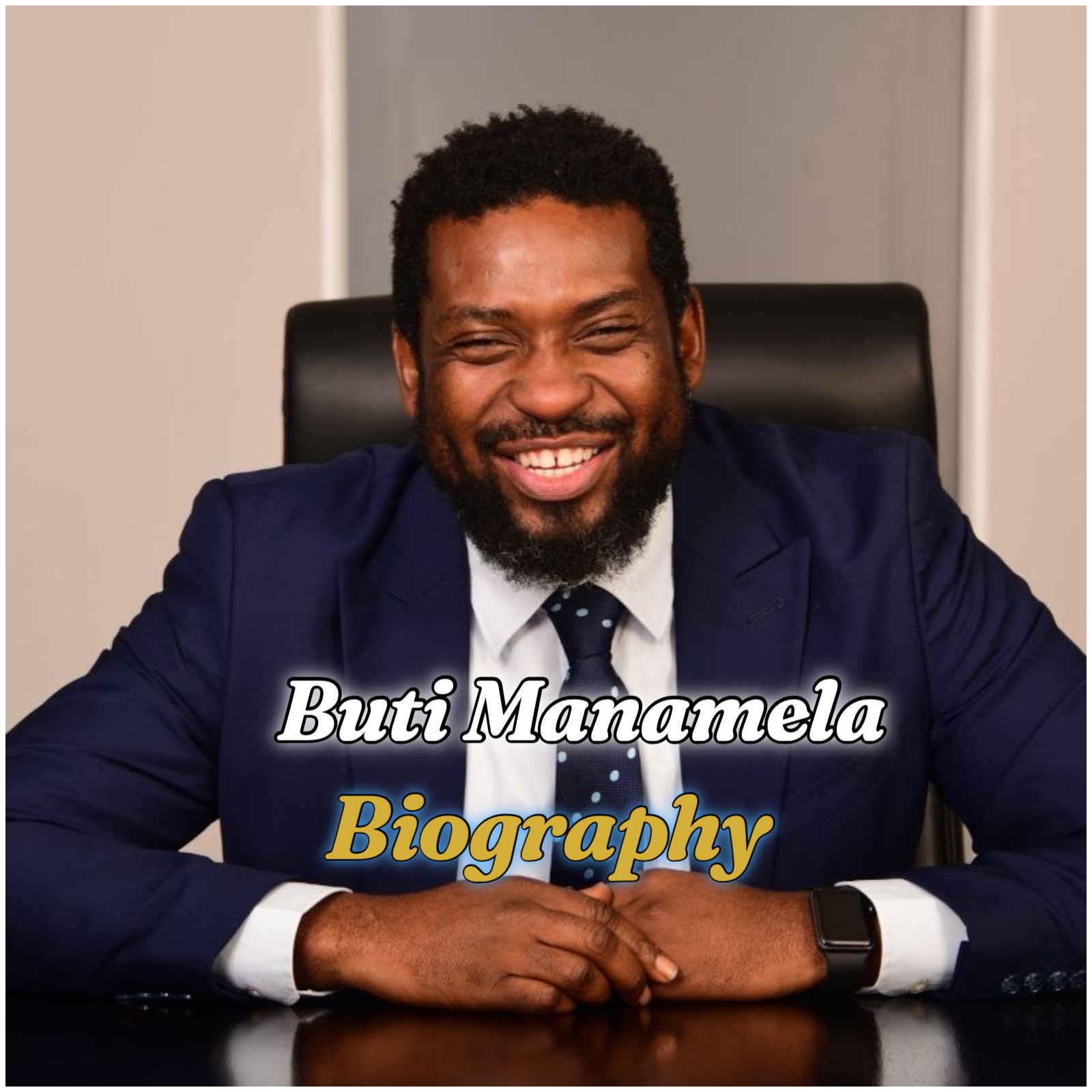
Buti Manamela Biography
Buti Manamela is a respected South African politician, youth activist, and government leader known for his long-standing involvement in education development and youth empowerment. He currently serves as South Africa’s Minister of Higher Education and Training, a position that placed him at the center of major national discussions surrounding universities, technical colleges, student funding, and skills development across the country. His appointment to the ministerial role further strengthened his reputation as one of the most influential younger figures within the African National Congress and the South African Communist Party.
Born on July 10, 1979, in Limpopo Province, Buti Manamela began his political journey as a student activist during his teenage years. His early involvement in organizations such as the Congress of South African Students and the ANC Youth League helped shape his leadership path and commitment to social justice. Over the years, he steadily rose through political structures and eventually became National Secretary of the Young Communist League of South Africa, where he gained national recognition for advocating youth participation, transformation, and equal educational opportunities.
Throughout his political career, Buti Manamela has focused strongly on higher education reform, vocational training, and improving opportunities for young South Africans. Before becoming minister, he served for several years as Deputy Minister of Higher Education and Training, working on policies aimed at strengthening TVET colleges, expanding artisan development programs, and improving access to quality education. Today, he remains a key voice in South Africa’s education sector and continues to influence policies that shape the future of students and young professionals across the nation.
Buti Manamela Early Life and Background
Buti Manamela was born on July 10, 1979, in Phagameng township, located in Modimolle, Limpopo Province, South Africa. He grew up during the final years of apartheid, a period that deeply influenced his understanding of inequality, youth struggles, and the importance of political activism. His upbringing in a modest community exposed him to the everyday challenges faced by ordinary South Africans, especially young people seeking better educational and economic opportunities.
From an early age, Buti Manamela showed strong leadership qualities and a passion for community involvement. While attending Phagameng High School, he became active in student affairs and quickly developed an interest in politics and social justice. In 1993, he joined the Congress of South African Students (COSAS), one of the country’s major student organizations known for fighting for educational transformation and youth rights during and after apartheid. His involvement in student activism helped him gain recognition among his peers and community leaders.
As a teenager, he also became involved with the African National Congress Youth League, where he continued building his political foundation. During his school years, he served as president of the Student Representative Council, a role that strengthened his leadership experience and public speaking skills. These early experiences shaped his future political journey and laid the groundwork for his rise within South African politics and government leadership.
Growing up in Limpopo also gave Buti Manamela a strong appreciation for education and development at the grassroots level. His background influenced his later focus on improving access to higher education, vocational training, and youth empowerment programs. Many of the policies and initiatives he supports today reflect the struggles and realities he witnessed while growing up in South Africa’s township communities.
Buti Manamela Education Background
Buti Manamela began his educational journey in Limpopo Province, South Africa, where he completed his primary and secondary schooling. He later attended Phagameng High School, where he became actively involved in student leadership and political activities. During his school years, he developed a strong interest in youth empowerment, governance, and social transformation, which later influenced both his academic and political direction.
After completing high school, Buti Manamela proceeded to Mamelodi College, now known as Tshwane North TVET College. There, he studied Digital Electronics and Electronic Engineering. His time at the institution was not only focused on academics but also on leadership and student representation. He served as president of the Student Representative Council between 1998 and 1999, gaining valuable experience in administration, negotiation, and advocacy for student welfare.
His involvement in higher education structures continued as he joined the South African Students Congress (SASCO), eventually rising to become the organization’s national deputy president in 2000. This period further strengthened his understanding of educational policy, student activism, and institutional leadership. His educational experiences helped him build strong connections within South Africa’s student and political movements.
Years later, while already active in government and politics, Buti Manamela continued advancing his academic qualifications. In 2017, he earned a Master’s Degree in Public Policy and Development Management from the University of the Witwatersrand. The qualification enhanced his expertise in governance, development planning, and public administration, especially in areas connected to education and youth development.
His academic background, combined with his practical leadership experience, has played a major role in shaping his approach to policy-making and educational reform. Today, his educational journey is often viewed as an example of lifelong learning and leadership development within South Africa’s public service sector.
Buti Manamela Career Journey
Buti Manamela began his political and leadership career through student activism in the 1990s. While still a student, he became actively involved in organizations focused on youth rights, education reform, and political transformation in post-apartheid South Africa. His early participation in the Congress of South African Students and the African National Congress Youth League helped him build a strong reputation as a committed young activist with leadership potential.
As his influence grew, Buti Manamela joined the South African Students Congress (SASCO), where he quickly rose through the ranks. In 2000, he became the national deputy president of the organization. His work within SASCO focused on student representation, transformation of higher education institutions, and expanding educational access for disadvantaged communities. During this period, he became widely recognized within youth political circles across South Africa.
A major turning point in his career came in 2003 when he became the inaugural National Secretary of the Young Communist League of South Africa (YCLSA). He held the position for more than a decade and played a significant role in mobilizing young people around political participation, education, economic transformation, and social justice issues. Under his leadership, the organization expanded its influence among students and young workers throughout South Africa.
In 2009, Buti Manamela entered Parliament as a Member of the National Assembly under the African National Congress (ANC). His parliamentary career exposed him to national governance and policy-making at a higher level. During his time in Parliament, he served on several important committees dealing with communications, labour, and economic development. His contributions earned him recognition as one of the emerging young leaders within the ANC alliance.
In 2014, he was appointed Deputy Minister in the Presidency under former President Jacob Zuma. In that role, he worked on planning, monitoring, evaluation, and youth development programs within government. His responsibilities included helping coordinate national development priorities and strengthening government performance systems. The position further increased his visibility within South African politics and government administration.
Another important phase of his career began in October 2017 when he was appointed Deputy Minister of Higher Education and Training. During his years in the ministry, he focused strongly on improving technical and vocational education, expanding artisan training, strengthening TVET colleges, and improving opportunities for students from disadvantaged backgrounds. He also became involved in policies connected to university funding, digital learning, innovation, and youth employment initiatives.
In July 2025, Buti Manamela reached one of the highest points of his political career when he was appointed South Africa’s Minister of Higher Education and Training by President Cyril Ramaphosa. His promotion came after several years of experience within the same ministry, making him one of the country’s most experienced leaders in the higher education sector. As minister, he oversees universities, TVET colleges, research institutions, and national skills development programs across South Africa.
Today, Buti Manamela remains an influential voice in South Africa’s education and political landscape. His career reflects a steady rise from grassroots student activism to senior national leadership. Many supporters view his journey as a symbol of youth leadership, educational advocacy, and long-term commitment to public service in South Africa.
Buti Manamela Appointment as Minister of Higher Education
Buti Manamela was officially appointed as South Africa’s Minister of Higher Education and Training in July 2025 by President Cyril Ramaphosa. His appointment came after the resignation of former minister Nobuhle Nkabane and immediately attracted major national attention within political and educational circles across the country.
Before becoming minister, Buti Manamela had already served for several years as Deputy Minister of Higher Education and Training. During that period, he worked closely on policies connected to universities, Technical and Vocational Education and Training (TVET) colleges, student financial support, artisan development, and youth skills programs. Because of his long experience inside the ministry, many observers viewed his appointment as a continuation of ongoing education reforms rather than a completely new direction.
His promotion was widely discussed because he had built a strong reputation as one of the government’s most active voices on youth empowerment and educational transformation. Supporters praised his understanding of student challenges, while education stakeholders expressed hope that his leadership would improve access to quality higher education and strengthen vocational training institutions across South Africa.
Since taking office, Buti Manamela has focused on issues such as improving governance within universities and TVET colleges, expanding skills development opportunities, strengthening research institutions, and addressing student concerns around funding and accommodation. He has also emphasized the importance of aligning higher education with employment opportunities and economic development goals within South Africa.
His appointment marked a major milestone in his political journey, moving him from student activist and youth leader to one of the country’s top education policymakers. Today, he remains a central figure in national discussions about the future of higher education, student development, and youth employment in South Africa.
Buti Manamela Personal Life
Buti Manamela is married to Nomvuyo Mhlakaza-Manamela, a respected South African politician who has served in leadership positions within the Gauteng Provincial Legislature, including as Deputy Speaker. Their marriage is often viewed as a union of two experienced public servants who have both remained active in South African politics and governance. The couple has children together and largely maintains a private family life away from constant media attention.
Despite his demanding political responsibilities, Buti Manamela is known for maintaining close connections with grassroots communities, especially young people and students. Throughout his public life, he has consistently supported youth empowerment initiatives, educational development programs, and social justice campaigns aimed at improving opportunities for disadvantaged communities across South Africa.
Outside politics, he has shown interest in fitness and endurance activities. In 2018, he participated in the famous Comrades Marathon, one of South Africa’s most recognized long-distance sporting events. His participation reflected his commitment to discipline, resilience, and personal wellness beyond government work.
People who have worked closely with him often describe him as approachable, calm, and deeply committed to public service. His leadership style is frequently associated with youth engagement, dialogue, and policy-driven development. Even while holding senior government positions, he has continued to emphasize the importance of education, mentorship, and nation-building.
His personal experiences growing up in Limpopo and rising through student activism continue to influence his values and political philosophy today. Many supporters believe his background helps him remain connected to the realities facing ordinary South Africans, particularly students and unemployed youth seeking opportunities for a better future.
Buti Manamela Age, Religion, Tribe, Height and Physical Appearance
Buti Manamela was born on July 10, 1979, in Phagameng township, Modimolle, located in Limpopo Province, South Africa. As of 2026, he is 46 years old. His age and political experience place him among the younger generation of influential leaders who have risen steadily within South Africa’s government and ruling political structures. Over the years, he has become recognized as a prominent voice for youth empowerment, education reform, and social development.
Buti Manamela is a Black South African and is widely associated with the Northern Sotho cultural background common within parts of Limpopo Province, although he has not publicly emphasized tribal identity as a major part of his public profile. His political identity has been more strongly connected to national unity, youth activism, and social transformation rather than ethnic or tribal politics. Public information regarding his religion has not been officially confirmed, as he tends to keep certain aspects of his private beliefs away from media attention.
In terms of physical appearance, Buti Manamela is known for his calm and professional public image. He usually appears in formal business attire during official events, parliamentary sessions, educational conferences, and government functions. His appearance reflects the polished and disciplined image commonly associated with senior government officials in South Africa.
He has a medium build and maintains a confident yet approachable presence during public engagements. His composed speaking style, leadership posture, and youthful energy have contributed to his popularity among students, young political supporters, and education stakeholders. Many people view his appearance and communication style as reflective of a modern, policy-focused African leader committed to national development and educational progress.
Buti Manamela Social Media Presence
Buti Manamela maintains an active presence across several social media platforms where he shares updates about government activities, higher education policies, youth empowerment initiatives, and national development programs in South Africa. His online platforms are widely followed by students, political supporters, educational stakeholders, and members of the public interested in government policy and youth affairs.
On X (formerly Twitter), he frequently posts about university developments, TVET college programs, student funding matters, cabinet activities, and public events. His account is also used to engage directly with young South Africans and discuss issues affecting education, employment, and skills development.
- X/Twitter: @ButiManamela
He is also active on Facebook, where he shares official announcements, photographs from government engagements, educational conferences, public speeches, and youth-related campaigns. His Facebook presence helps him connect with a broader audience across South Africa.
- Facebook: Buti Manamela Facebook Page
On LinkedIn, Buti Manamela maintains a professional profile highlighting his government experience, political leadership roles, and educational policy work. The platform is mainly used for professional networking and showcasing his contributions to public administration and higher education development.
- LinkedIn: Buti Manamela LinkedIn Profile
His social media presence reflects his image as a modern and accessible political leader who values communication, youth engagement, and transparency. Through these platforms, he continues to build influence among students, young professionals, educators, and political supporters throughout South Africa.
Buti Manamela Net Worth
Buti Manamela has an estimated net worth believed to range between $2 million and $15 million, although no official public financial statement has confirmed his exact wealth. Most estimates are based on his long political career, parliamentary earnings, ministerial salaries, government benefits, and years of service in senior public office positions.
Over the years, Buti Manamela has served in several high-ranking government roles, including Member of Parliament, Deputy Minister in the Presidency, Deputy Minister of Higher Education and Training, and later Minister of Higher Education and Training. These positions have contributed significantly to his financial standing and professional influence within South Africa’s political system.
Unlike some high-profile political figures associated with major business empires, Buti Manamela is generally viewed as maintaining a relatively modest and professional public lifestyle. There is no widely reported information linking him to large private business ownership or luxury investments. His public image has remained more strongly connected to education policy, youth development, and government administration than to corporate ventures or celebrity wealth.
As Minister of Higher Education and Training, his current income is believed to come primarily from his official government salary, allowances, and benefits attached to cabinet-level office. His continued leadership role in South Africa’s education sector also strengthens his national profile and long-term political relevance.
Buti Manamela Legacy and Impact
Buti Manamela has built a legacy centered on youth empowerment, education reform, and political activism in South Africa. From his early days as a student activist to becoming Minister of Higher Education and Training, his journey reflects years of commitment to improving opportunities for young people. Many supporters view his rise through student organizations, the African National Congress Youth League, and the Young Communist League as an example of grassroots leadership growing into national influence.
One of the strongest aspects of his legacy is his contribution to higher education and vocational training development. Throughout his years in government, he consistently promoted the expansion of Technical and Vocational Education and Training (TVET) colleges, artisan development programs, and policies aimed at helping students from disadvantaged communities gain access to quality education. His work in the education sector has helped position skills development and youth employment as important national priorities within South Africa.
Beyond politics, Buti Manamela is remembered as a leader who remained connected to youth issues and student concerns even after entering senior government positions. His leadership style, focus on public service, and advocacy for educational transformation continue to inspire many young South Africans interested in activism, governance, and community development. As his political career continues, his long-term impact is expected to remain closely tied to the future of education and youth advancement in South Africa.
Conclusion
Buti Manamela has established himself as one of South Africa’s prominent political leaders through years of dedication to youth empowerment, education reform, and public service. From his beginnings as a student activist in Limpopo to becoming the country’s Minister of Higher Education and Training, his journey reflects resilience, leadership, and commitment to national development. His influence in shaping higher education policies, vocational training programs, and opportunities for young people continues to strengthen his reputation as an important figure in South Africa’s political and educational landscape.
Frequently Asked Questions About Buti Manamela
1. Who is Buti Manamela?
Buti Manamela is a South African politician, youth activist, and government official currently serving as the Minister of Higher Education and Training in South Africa.
2. How old is Buti Manamela?
Buti Manamela is 46 years old as of 2026. He was born on July 10, 1979, in Phagameng township, Limpopo Province, South Africa.
3. Where is Buti Manamela from?
He is from Phagameng township in Modimolle, located in Limpopo Province, South Africa, where he spent his early years and began his activism journey.
4. What position does Buti Manamela hold?
He currently serves as South Africa’s Minister of Higher Education and Training, overseeing universities, TVET colleges, and national skills development programs.
5. Who is Buti Manamela’s wife?
Buti Manamela is married to Nomvuyo Mhlakaza-Manamela, a South African politician who has also served in leadership positions within government structures.
6. What did Buti Manamela study?
He studied Digital Electronics and Electronic Engineering at Mamelodi College and later earned a Master’s Degree in Public Policy and Development Management from the University of the Witwatersrand.
7. When was Buti Manamela appointed minister?
He was appointed Minister of Higher Education and Training in July 2025 by South African President Cyril Ramaphosa following a cabinet reshuffle.
8. What political party does Buti Manamela belong to?
He is a member of the African National Congress (ANC) and is also closely associated with the South African Communist Party (SACP).
9. What is Buti Manamela known for?
He is widely known for youth activism, education reform, student development programs, and his long involvement in South Africa’s higher education sector.
10. What is Buti Manamela’s estimated net worth?
His exact net worth is not publicly confirmed, but several online estimates suggest it may range between $2 million and $15 million based on his long government career.