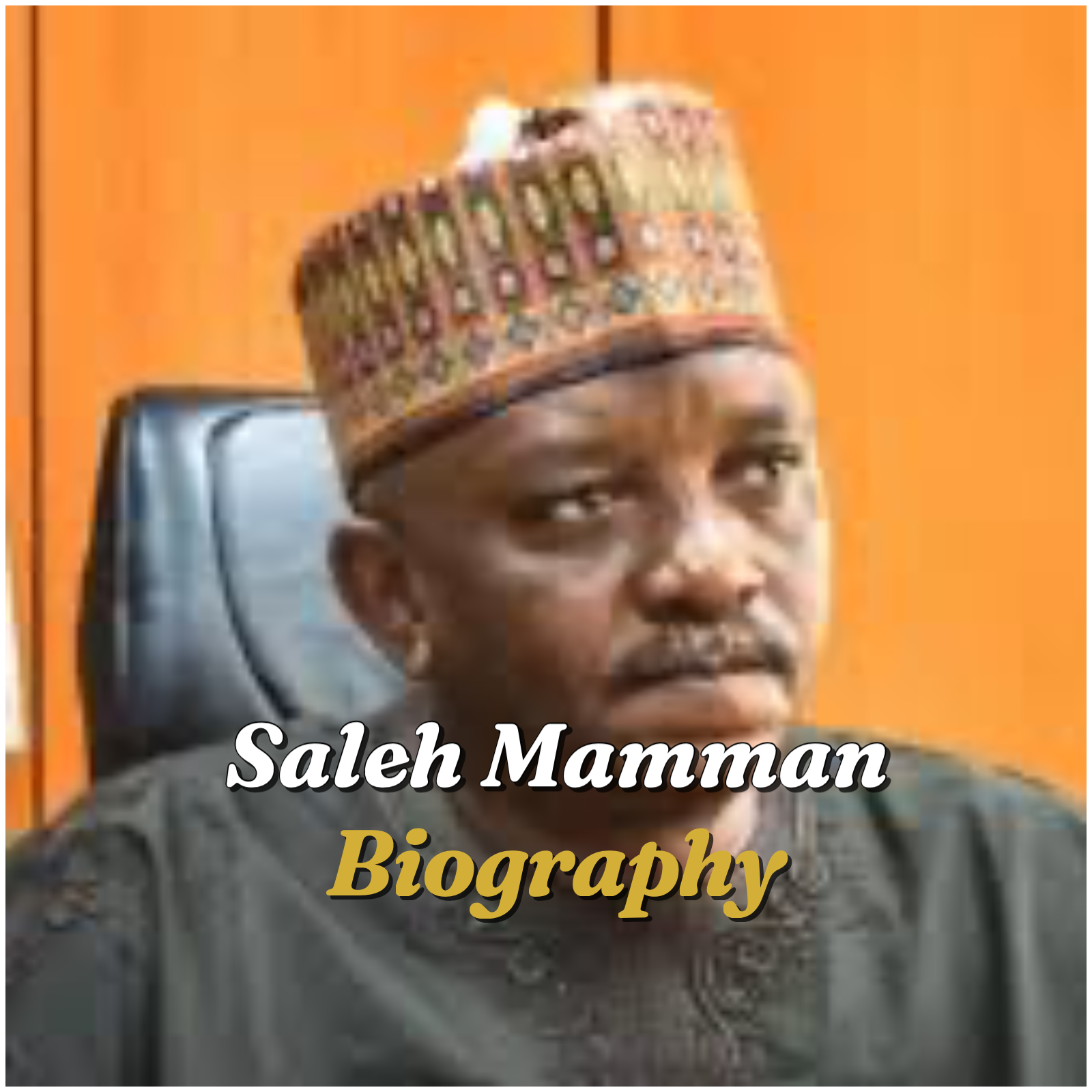
Introduction To Saleh Mamman Biography
Saleh Mamman is a Nigerian politician, engineer, and former public servant who gained national recognition after serving as Nigeria’s Minister of Power under former President Muhammadu Buhari from 2019 to 2021. Born on January 2, 1958, in Taraba State, he built his early career in engineering and public administration before rising into federal politics. His appointment into the Federal Executive Council placed him at the center of Nigeria’s electricity and infrastructure sector during a critical period in the country’s power development efforts.
During his time as Minister of Power, Saleh Mamman supervised major electricity and hydropower projects including the Mambilla and Zungeru Hydroelectric Power Projects. His tenure attracted national attention because of Nigeria’s continuing electricity challenges, policy reforms, and government efforts to stabilize power generation and distribution across the country.
In 2026, Saleh Mamman returned to national headlines after a Federal High Court in Abuja convicted him in a high-profile ₦33.8 billion fraud and money laundering case linked to funds meant for major power projects. The conviction and subsequent 75-year prison sentence made him one of the most talked-about former public officials in Nigeria, drawing intense public debate about corruption, accountability, and governance in the country’s power sector.
Early Life and Background of Saleh Mamman
Saleh Mamman was born on January 2, 1958, in Taraba State, located in the northeastern region of Nigeria. He was raised in a modest family environment where discipline, education, and hard work were highly valued. Growing up in northern Nigeria during a period of limited infrastructure and economic opportunities helped shape his interest in technical development and public service from an early age.
As a young boy, Saleh Mamman developed a passion for engineering and technical work. His early exposure to practical problem-solving and community development inspired him to pursue a career connected to electrical and mechanical systems. He spent most of his childhood and formative years in northern Nigeria, where he completed his basic education before advancing into higher studies.
His educational journey later took him to Kaduna Polytechnic, one of Nigeria’s respected technical institutions, where he studied Electrical Electronics Engineering and obtained a Higher National Diploma. Determined to strengthen his administrative and leadership knowledge, he further earned a Master of Business Administration degree from Bayero University Kano. These academic experiences laid the foundation for his later career in engineering, government administration, and national politics.
Before entering politics, Saleh Mamman worked as a teacher in a technical school in Mubi, Adamawa State. He later joined the Taraba State Ministry of Works, where he steadily rose through the ranks and eventually became an Assistant Director before retiring from the civil service in 2002. His years in technical education and public administration gave him valuable experience that later contributed to his rise within Nigeria’s political and power sector leadership.
Saleh Mamman Education and Academic Background
Saleh Mamman pursued an educational path focused on technical knowledge, engineering, and administrative leadership. From an early stage, he showed strong interest in science and practical problem-solving, which influenced his decision to study engineering-related courses during his higher education years.
After completing his primary and secondary education in northern Nigeria, he gained admission into Kaduna Polytechnic, one of Nigeria’s prominent technical institutions. There, he studied Electrical Electronics Engineering and obtained a Higher National Diploma. His training exposed him to electrical systems, engineering design, technical operations, and infrastructure management, skills that later became important in his professional and political career.
Determined to expand his knowledge beyond engineering, Saleh Mamman later attended Bayero University Kano where he earned a Master of Business Administration degree. The MBA program strengthened his understanding of management, leadership, finance, and organizational administration. This combination of technical engineering education and business management training helped prepare him for senior responsibilities within public service and government.
His educational background played a major role in shaping his career journey. The technical expertise he gained from engineering studies supported his work in the Taraba State Ministry of Works, while his business and administrative education contributed to his leadership roles in public administration and later as Nigeria’s Minister of Power.
Saleh Mamman Career Journey and Political Career
Saleh Mamman began his professional career in the education sector as a teacher at a technical school in Mubi, Adamawa State. His early years in technical education allowed him to build practical experience in engineering-related subjects while also developing leadership and administrative skills. His passion for public service and infrastructure development later pushed him toward government work.
After leaving the teaching profession, he joined the Taraba State Ministry of Works where he built a long career in public administration and engineering management. Over the years, he worked in different technical and administrative capacities and steadily rose through the ranks due to his experience and dedication. His service in the ministry eventually earned him the position of Assistant Director before his retirement from the civil service in 2002.
Following his retirement, Saleh Mamman became involved in business and political activities within northern Nigeria. His growing influence in political circles later brought him into national prominence. In August 2019, former President Muhammadu Buhari appointed him as Nigeria’s Minister of Power after his nomination was confirmed by the Nigerian Senate.
As Minister of Power, Saleh Mamman oversaw Nigeria’s electricity sector during a period marked by major energy challenges and infrastructure projects. His ministry supervised important initiatives aimed at improving electricity generation, transmission, and distribution across the country. During his tenure, significant attention was placed on large hydropower projects such as the Mambilla Hydroelectric Power Project and the Zungeru Hydroelectric Power Project, both considered critical to Nigeria’s long-term electricity expansion plans.
Despite these projects, his time in office faced heavy criticism because of persistent power outages, unstable electricity supply, and growing public frustration over Nigeria’s energy sector. The administration also faced pressure regarding transparency and management of funds allocated to power infrastructure development. In September 2021, President Buhari removed Saleh Mamman from office during a major cabinet reshuffle, bringing his tenure as Minister of Power to an end.
Years after leaving office, Saleh Mamman’s career became overshadowed by legal troubles linked to alleged corruption during his time as minister. In 2026, a Federal High Court in Abuja convicted him in a ₦33.8 billion fraud and money laundering case connected to funds meant for major power projects. The case became one of Nigeria’s most high-profile anti-corruption prosecutions involving a former cabinet minister and significantly affected his public image and legacy.
Throughout his career journey, Saleh Mamman moved from technical education and civil service into national politics and federal leadership. His rise reflected decades of experience in engineering and administration, while his later legal controversies placed him at the center of national discussions about accountability, governance, and corruption in Nigeria’s power sector.
Saleh Mamman Personal Life and Family Background
Saleh Mamman is known for maintaining a private and low-profile personal life despite spending many years in public service and national politics. Unlike many Nigerian politicians who regularly display their family and lifestyle on social media and in public appearances, Saleh Mamman largely kept details about his private affairs away from public attention.
Public information regarding his wife, children, and extended family remains very limited. Throughout his political career, he focused more on government responsibilities and administrative work rather than media publicity. This private approach contributed to an image of him as a quiet and reserved public official.
Saleh Mamman is believed to have strong roots in Taraba State and northern Nigeria’s political and social circles. His background in engineering and civil service shaped much of his personality and leadership style. People who worked with him often described him as calm, disciplined, and technically minded, especially during his years in government administration and the power sector.
Outside politics, he was associated with business and community interests within northern Nigeria after retiring from the civil service in 2002. He also maintained relationships with political stakeholders and influential figures connected to infrastructure and development projects in the country.
However, his personal reputation and public image changed significantly following the corruption and money laundering allegations linked to his tenure as Minister of Power. The 2026 court conviction and prison sentence placed intense national attention on both his political career and personal legacy. The case sparked widespread conversations about accountability among former public officials and greatly affected how many Nigerians now view his time in office.
Despite the controversies surrounding him, Saleh Mamman remains a notable figure in Nigeria’s political history because of his role in the country’s power sector and his rise from technical civil service into federal leadership.
Saleh Mamman Age, Religion, Tribe, Height and Physical Appearance
Saleh Mamman was born on January 2, 1958, making him 68 years old as of 2026. He hails from Taraba State in northeastern Nigeria and is widely associated with the northern region of the country where he spent most of his early life and career.
Saleh Mamman practices Islam, which is one of the dominant religions in northern Nigeria. His cultural background and upbringing within the region influenced both his personal values and public identity throughout his years in government service and politics.
Although detailed public records about his specific ethnic tribe are limited, he is recognized as part of the diverse ethnic communities from Taraba State. Taraba is known for having many ethnic groups and cultural traditions, making it one of Nigeria’s most ethnically diverse states.
In terms of physical appearance, Saleh Mamman is known for his calm and mature presence. He is usually seen in traditional northern Nigerian attire, especially during official government functions and political gatherings. His appearance reflects the conservative and formal style commonly associated with senior northern Nigerian political figures.
While his exact height has not been officially confirmed publicly, he has an average build and is often recognized for his composed facial expression and reserved public demeanor. Throughout his political career, he maintained a modest and professional appearance that matched his quiet personality and administrative background.
His age, northern Nigerian background, Islamic faith, and traditional public appearance all contributed to the identity he projected during his years as a public servant and Minister of Power in Nigeria.
Saleh Mamman Legacy
Saleh Mamman remains a controversial figure in Nigeria’s political and administrative history. His legacy is shaped by both his rise from technical civil service into federal leadership and the serious corruption case that later overshadowed his public career.
Many people remember Saleh Mamman for his journey through engineering, education, and government administration before becoming Nigeria’s Minister of Power under former President Muhammadu Buhari. His appointment to such an important ministry reflected years of experience in technical and public service roles. During his time in office, he supervised key electricity and hydropower projects intended to improve Nigeria’s struggling power sector and expand national energy infrastructure.
His tenure also represented a period when Nigeria intensified efforts to complete major power projects such as the Mambilla and Zungeru Hydroelectric Power Projects. These projects were considered critical to increasing electricity generation and supporting economic growth. As Minister of Power, he played a role in policy discussions and infrastructure planning connected to the country’s long-term energy ambitions.
However, Saleh Mamman’s public image and legacy were severely damaged by the fraud and money laundering allegations linked to funds meant for power projects under his supervision. His 2026 conviction and prison sentence became one of the most high-profile anti-corruption cases involving a former Nigerian cabinet minister. The case transformed public discussions around his career from infrastructure development to issues of accountability, transparency, and misuse of public funds.
To supporters, his life story still reflects determination, technical expertise, and years of service within Nigeria’s public sector. To critics, his conviction symbolizes the deep corruption challenges that have affected Nigeria’s power sector and public institutions for decades.
Overall, Saleh Mamman’s legacy remains deeply divided. He is remembered both as a former engineer and minister who reached national prominence and as a public official whose career ended in one of the country’s most talked-about corruption scandals.
Conclusion
Saleh Mamman remains one of the most discussed former public officials in Nigeria’s recent political history. His journey from technical education and civil service in Taraba State to becoming Nigeria’s Minister of Power reflected years of experience in engineering, administration, and public leadership. During his time in office, he oversaw important electricity and hydropower projects aimed at improving Nigeria’s energy sector. However, his legacy became heavily overshadowed by corruption and money laundering allegations that later resulted in his conviction and imprisonment. Despite the controversies surrounding him, Saleh Mamman’s career continues to serve as both a story of political rise and a major example in Nigeria’s ongoing fight against corruption and misuse of public funds.
Frequently Asked Questions About Saleh Mamman
1. Who is Saleh Mamman?
Saleh Mamman is a Nigerian politician, engineer, and former public servant who served as Nigeria’s Minister of Power under former President Muhammadu Buhari between 2019 and 2021.
2. How old is Saleh Mamman?
Saleh Mamman was born on January 2, 1958, which makes him 68 years old as of 2026 according to publicly available information.
3. Where is Saleh Mamman from?
Saleh Mamman is from Taraba State in northeastern Nigeria, a region known for its cultural diversity and strong political influence in northern Nigeria.
4. What did Saleh Mamman study in school?
He studied Electrical Electronics Engineering at Kaduna Polytechnic where he obtained a Higher National Diploma before later earning an MBA from Bayero University Kano.
5. What position did Saleh Mamman hold in Nigeria?
He served as Nigeria’s Minister of Power from August 2019 until September 2021 during the administration of former President Muhammadu Buhari.
6. Why is Saleh Mamman trending in Nigeria?
Saleh Mamman became a major topic in Nigerian news after a Federal High Court convicted him in a ₦33.8 billion fraud and money laundering case linked to power sector projects.
7. What projects was Saleh Mamman associated with?
He was closely linked to major electricity and hydropower projects including the Mambilla Hydroelectric Power Project and the Zungeru Hydroelectric Power Project during his tenure as minister.
8. What was Saleh Mamman accused of?
He was accused of diverting and laundering billions of naira meant for important power infrastructure projects supervised by the Ministry of Power during his time in office.
9. Is Saleh Mamman an engineer?
Yes. Saleh Mamman has an engineering background and studied Electrical Electronics Engineering before later moving into public service and politics.
10. What is Saleh Mamman’s religion?
Saleh Mamman is a Muslim and is widely associated with the Islamic cultural background common in northern Nigeria.
11. When was Saleh Mamman removed as Minister of Power?
He was removed from office in September 2021 during a cabinet reshuffle carried out by former President Muhammadu Buhari.
12. What is Saleh Mamman’s legacy?
His legacy remains controversial because he is remembered both for overseeing major power projects in Nigeria and for the corruption case that later damaged his public reputation.