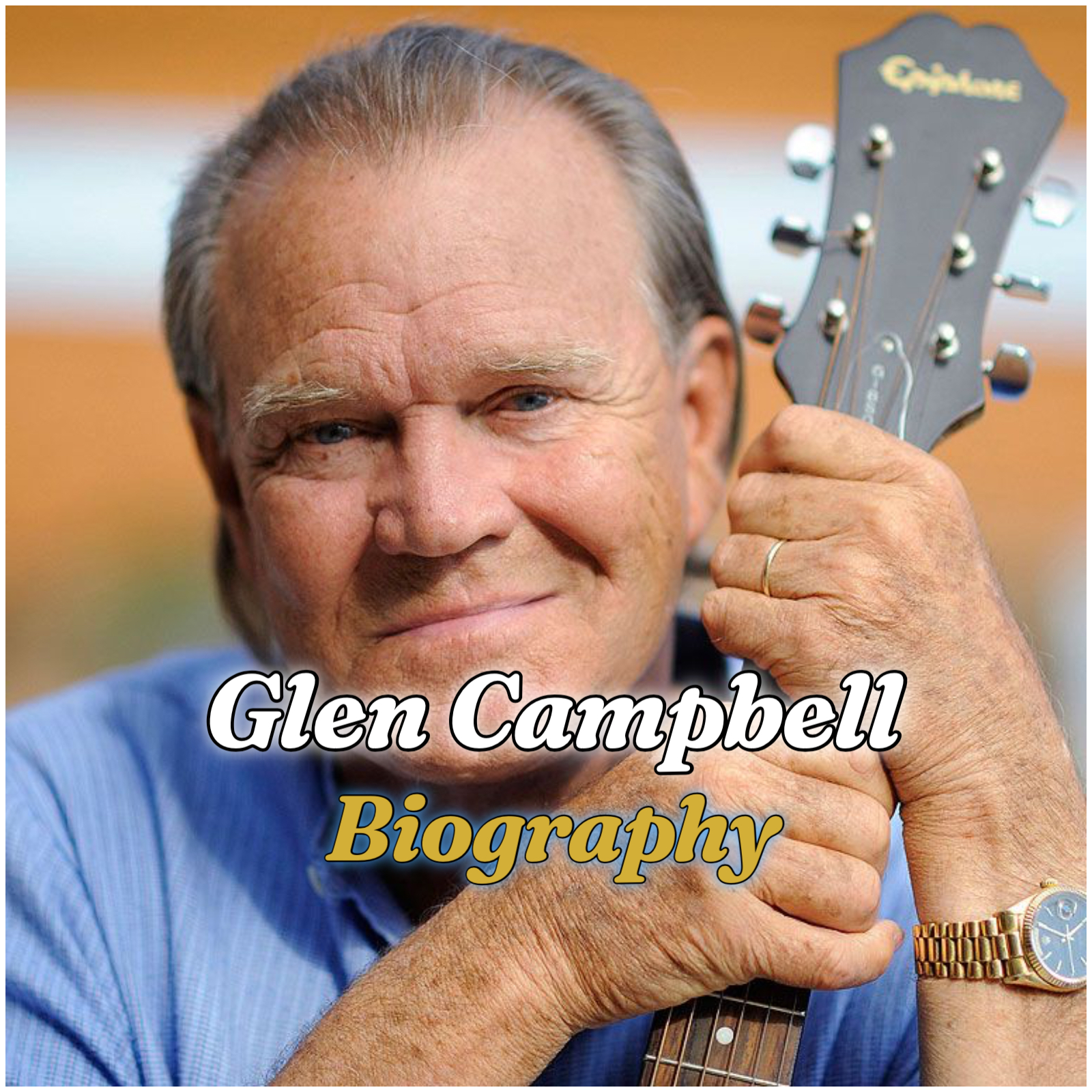
Glen Campbell Biography
Glen Campbell was one of the most celebrated country and pop music stars in American entertainment history. Born on April 22, 1936, in Arkansas, he rose from a humble farming background to become a global music icon known for his smooth vocals, emotional storytelling, and exceptional guitar talent. His unique ability to blend country, pop, and folk music made him one of the most successful crossover artists of his generation. Songs such as Rhinestone Cowboy, Wichita Lineman, Gentle on My Mind, and By the Time I Get to Phoenix turned him into a household name across the world.
Beyond music, Glen Campbell also became a respected television personality and actor. He hosted The Glen Campbell Goodtime Hour, which further increased his popularity during the late 1960s and 1970s. His influence extended far beyond country music because of his remarkable stage presence and instrumental brilliance. Throughout his long career, he sold millions of records, won multiple Grammy Awards, and earned recognition as one of the finest guitarists in modern music history.
In recent years, Glen Campbell’s legacy has remained strong through tribute projects, documentaries, streaming platforms, and continued fan appreciation worldwide. His courageous public battle with Alzheimer’s disease before his death in 2017 also brought greater awareness to the illness and inspired millions of people globally. Even today, his timeless music and emotional performances continue to influence new generations of artists and listeners.
Glen Campbell Early Life and Background
Glen Campbell was born as Glen Travis Campbell on April 22, 1936, in the small community of Billstown near Delight, Arkansas, United States. He was raised in a large farming family and was the seventh son among twelve children born to John Wesley Campbell and Carrie Dell Stone Campbell. His family lived in poverty and worked mainly as sharecroppers and cotton farmers. Life during his childhood was very difficult because the family struggled financially almost every day.
Despite the hardship, music became an important part of Campbell’s early life. At the age of four, his father bought him a small Sears guitar for five dollars. That simple gift changed the direction of his life forever. Glen quickly developed an extraordinary talent for playing guitar and spent countless hours practicing by listening to songs on the radio and copying the sounds he heard. Even without formal music lessons, he became highly skilled at a very young age.
As a child, Campbell performed at local events, church gatherings, and small radio programs around Arkansas. His natural musical ability attracted attention early, and many people around him recognized that he possessed unusual talent. Although he attended school during his early years, financial struggles forced him to leave formal education before graduation so he could help support his family through labor work and music performances.
During his teenage years, Campbell became deeply influenced by country, gospel, and western swing music. He admired legendary guitarist Django Reinhardt and other famous musicians whose recordings inspired his playing style. Those early experiences shaped the smooth guitar technique and emotional musical style that later made him one of the most respected entertainers in American music history.
Glen Campbell Education
Glen Campbell received his early education in Arkansas while growing up in a poor farming community with his large family. He attended local schools near Delight, Arkansas, but his education was heavily affected by the financial struggles his family faced during his childhood. Because his parents depended on farming and manual labor to survive, life was often difficult, and the children were expected to contribute to supporting the household from a young age.
Although Campbell was intelligent and talented, he did not continue his education to the college level. He left school during his teenage years before completing high school so he could work and help provide for his family. During that period, he took on different labor jobs while also dedicating more time to music, which had already become his greatest passion.
Even without advanced formal education, Campbell educated himself through music and practical experience. He spent years learning guitar techniques by listening carefully to radio broadcasts and records from famous musicians. He studied melodies, rhythms, and performance styles entirely by ear. This self-training later transformed him into one of the most respected session guitarists in the American music industry.
His musical education eventually became more valuable to his career than traditional classroom learning. Through constant practice and live performances, Campbell mastered several styles of music and developed extraordinary technical guitar skills. His dedication and natural talent proved that formal higher education was not the only path to success, especially in the entertainment industry where creativity and discipline played a major role in his rise to fame.
Glen Campbell Career
Glen Campbell began his professional music career during the late 1950s after moving from Arkansas to Albuquerque, New Mexico, where he performed with his uncle’s band known as Dick Bills and the Sandia Mountain Boys. His impressive guitar skills quickly attracted attention, and he later moved to Los Angeles to pursue greater opportunities in the music industry. That decision became the turning point of his life and career.
In Los Angeles, Campbell became one of the most respected session guitarists of his generation. He joined the famous group of studio musicians later known as “The Wrecking Crew.” During this period, he played guitar on recordings for many legendary artists, including Frank Sinatra, Elvis Presley, The Beach Boys, Nat King Cole, and Dean Martin. His ability to quickly learn songs and deliver flawless performances made him one of the most demanded musicians in recording studios across America.
Campbell’s breakthrough as a solo artist came during the late 1960s. His smooth voice and emotional delivery helped him create timeless classics such as Gentle on My Mind, By the Time I Get to Phoenix, Galveston, and Wichita Lineman. These songs became massive commercial successes and established him as one of the leading crossover stars in country and pop music. His music appealed to both country audiences and mainstream pop listeners, which greatly expanded his popularity worldwide.
One of the defining moments of his career came in 1975 with the release of Rhinestone Cowboy. The song became an international hit and topped both country and pop music charts. It turned Campbell into a global superstar and remains one of the most recognizable songs in music history today. His success during this era also led to sold-out concerts, television appearances, and worldwide recognition.
Beyond singing, Campbell also built a successful television and acting career. He hosted the popular variety television program The Glen Campbell Goodtime Hour, where he performed music and entertained audiences alongside famous guests. The show increased his fame and allowed fans to see his personality beyond music. He also appeared in films, including True Grit alongside John Wayne, earning praise for his acting performance.
Throughout his long career, Campbell released more than sixty studio albums and sold over forty-five million records globally. He won numerous Grammy Awards and later received the Grammy Lifetime Achievement Award for his contributions to music. His influence extended beyond country music because of his exceptional guitar talent, emotional storytelling, and ability to connect with audiences through simple but powerful songs.
In the later years of his career, Campbell continued recording and touring even after publicly revealing his Alzheimer’s disease diagnosis in 2011. His farewell tour became highly emotional and inspired the acclaimed documentary Glen Campbell: I’ll Be Me. Despite his health struggles, he remained committed to music until the final years of his life, leaving behind a legacy that continues to inspire musicians and fans around the world.
Glen Campbell Personal Life
Glen Campbell experienced a personal life that was often as dramatic and emotional as his music career. He was married four times and became the father of nine children. His relationships frequently attracted media attention, especially during the peak of his fame in the 1970s. Despite the pressures of celebrity life, Campbell remained deeply connected to his family and often spoke about the importance of love, faith, and personal growth throughout his life.
During different stages of his career, Campbell struggled with alcohol and drug addiction, challenges that affected both his personal relationships and professional life. However, he later overcame many of those difficulties through rehabilitation, faith, and family support. His openness about his struggles made many fans admire his honesty and resilience. In later years, he rebuilt stronger family relationships and became more focused on living a peaceful and meaningful life away from the chaos of earlier fame.
One of the most emotional chapters of Campbell’s personal life came after he was diagnosed with Alzheimer’s disease in 2011. His wife, Kim Campbell, stood beside him throughout his battle with the illness and helped care for him during his final years. Several of his children also joined him on his farewell tour, showing the close family bond they shared. Even while facing memory loss and declining health, Campbell continued inspiring millions through his courage, humility, and determination until his death in 2017.
Glen Campbell Cause of Death and Death
Glen Campbell died on August 8, 2017, in Nashville, Tennessee, United States, at the age of 81. His death marked the end of one of the most influential careers in country and pop music history. Family members, fellow musicians, and fans around the world paid tribute to him after the news of his passing became public.
The official cause of death was complications related to Alzheimer’s disease, a progressive brain disorder that affects memory, thinking, and behavior. Campbell publicly revealed his diagnosis in 2011, and his announcement shocked many fans because he remained active in music despite the illness. Instead of retiring quietly, he courageously went on a farewell tour with members of his family performing beside him, inspiring millions with his determination and strength.
During the final years of his life, Campbell’s battle with Alzheimer’s disease became widely documented through interviews and the emotional documentary Glen Campbell: I’ll Be Me. His final song, I’m Not Gonna Miss You, deeply touched audiences because it reflected his experience with memory loss and emotional decline caused by the illness. Even after his death, his openness about Alzheimer’s disease helped raise awareness globally and encouraged conversations about caring for people living with dementia.
Glen Campbell Net Worth
Glen Campbell built enormous wealth during his decades-long music career through album sales, concert tours, television appearances, songwriting royalties, and acting projects. Over the course of more than fifty years in entertainment, he released dozens of successful albums and sold more than forty-five million records worldwide. His biggest songs, including Rhinestone Cowboy and Wichita Lineman, continued generating royalties long after their original release.
Several public estimates placed Glen Campbell’s net worth at around $50 million at the time of his death in 2017. Those estimates reflected the value of his music catalog, properties, business interests, and long-term royalty earnings from his legendary career in country and pop music.
However, legal documents filed after his death later revealed that the officially declared value of his estate was significantly lower than early public estimates. Court filings in Nashville reportedly valued his estate at approximately $410,000, although reports noted that future royalty income and other long-term earnings may not have been fully included in that figure.
Despite the estate controversy, Glen Campbell remains remembered as one of the most commercially successful crossover artists in American music history. His music continues to generate income through streaming services, radio airplay, licensing, tribute projects, and posthumous releases, helping preserve his financial and cultural legacy years after his death.
Glen Campbell Legacy
Glen Campbell left behind one of the most important legacies in American music history. He successfully blended country, pop, folk, and soft rock music at a time when few artists could cross different audiences so effortlessly. His timeless songs such as Wichita Lineman, Gentle on My Mind, Galveston, and Rhinestone Cowboy continue to be celebrated decades after their release. Many musicians and critics still regard him as one of the greatest vocalists and guitarists of his generation because of his smooth delivery, emotional storytelling, and exceptional instrumental skill.
Beyond his musical success, Campbell also influenced the entertainment industry through television and live performance. His variety program The Glen Campbell Goodtime Hour introduced him to millions of households and expanded the popularity of country music worldwide. As a member of the famous studio musicians known as “The Wrecking Crew,” he contributed guitar work to recordings by some of the biggest artists in music history. His versatility and professionalism helped shape the sound of popular American music during the 1960s and 1970s.
Campbell’s legacy became even more powerful during the final years of his life after he publicly revealed his Alzheimer’s disease diagnosis. His courage in continuing to perform while battling memory loss inspired millions around the world and brought greater global awareness to dementia and Alzheimer’s disease. The documentary Glen Campbell: I’ll Be Meand his emotional farewell song I’m Not Gonna Miss You remain lasting reminders of his strength, honesty, and humanity. Even years after his death, his music continues influencing new generations of artists and listeners across the world.
Conclusion
Glen Campbell will always be remembered as one of the greatest entertainers in American music history. From his humble beginnings in rural Arkansas to becoming a global country-pop superstar, his journey was marked by extraordinary talent, resilience, and timeless artistry. Through his unforgettable songs, television success, exceptional guitar skills, and courageous battle with Alzheimer’s disease, Campbell left a lasting impact on music and popular culture. Even after his passing, his voice, legacy, and inspiring life story continue touching millions of fans around the world.
Frequently Asked Questions About Glen Campbell
1. Who was Glen Campbell?
Glen Campbell was a legendary American country-pop singer, guitarist, actor, and television host known for timeless songs like Rhinestone Cowboy, Wichita Lineman, and Gentle on My Mind.
2. When was Glen Campbell born?
Glen Campbell was born on April 22, 1936, in Billstown near Delight, Arkansas, United States, where he was raised in a large farming family.
3. How old was Glen Campbell when he died?
Glen Campbell was 81 years old at the time of his death on August 8, 2017, after battling Alzheimer’s disease for several years.
4. What caused Glen Campbell’s death?
Glen Campbell died from complications related to Alzheimer’s disease, a progressive brain disorder that affected his memory, thinking, and overall health during his final years.
5. What was Glen Campbell’s most famous song?
Rhinestone Cowboy is widely regarded as Glen Campbell’s biggest and most famous hit because of its massive global commercial success and cultural impact.
6. Was Glen Campbell married?
Yes. Glen Campbell was married four times during his lifetime and had nine children, several of whom were involved in music and entertainment.
7. Did Glen Campbell have children?
Yes. Glen Campbell had nine children, including singer and musician Ashley Campbell, who performed with him during his farewell tour.
8. What television show did Glen Campbell host?
Glen Campbell hosted the popular variety television program The Glen Campbell Goodtime Hour, which became highly successful during the late 1960s and early 1970s.
9. Did Glen Campbell act in movies?
Yes. Glen Campbell appeared in films, including the famous western movie True Grit alongside legendary actor John Wayne.
10. What was Glen Campbell’s net worth?
Public estimates placed Glen Campbell’s net worth at around $50 million during his lifetime, earned through music sales, television, touring, acting, and royalties.
11. What illness did Glen Campbell suffer from?
Glen Campbell suffered from Alzheimer’s disease, which he publicly announced in 2011 before beginning his emotional farewell tour.