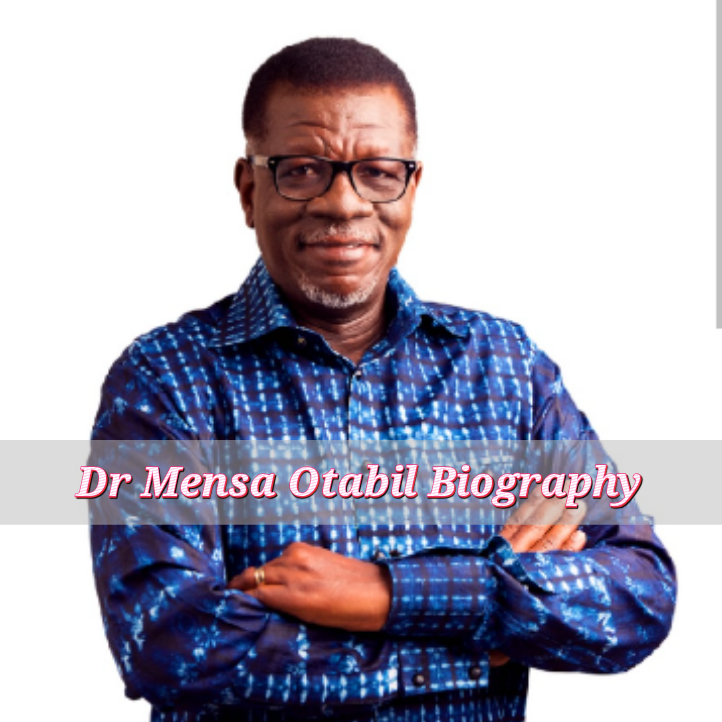
Dr Mensa Otabil Biography
Dr Mensa Otabil He is a Ghanaian pastor, teacher, and leader who has helped many people through faith and practical advice. Born in 1959, he started a church that now reaches thousands in Ghana and other countries. His life shows how hard work and belief can create change. Many readers search for his story because his messages touch on family, money, and personal growth. This article explains his journey in simple words. You will learn about his early days, school, work, wins, challenges, and family. The goal is to educate you so you can see how one person can build something useful for society. His teachings often focus on making life better today while planning for tomorrow. For example, he encourages people to use wisdom in daily choices. By the end, you will understand why he matters to many Ghanaians and Christians worldwide. His story adds value because it proves that anyone can rise with focus and faith. We use only clear facts with dates to keep everything true and easy to follow. Let us begin with his roots.
Dr Mensa Otabil stands out as a man of quiet strength. He leads the International Central Gospel Church, or ICGC for short. He also guides a university and shares talks on radio and television. His program called Living Word reaches homes across Ghana. People like his way of mixing Bible lessons with real-life tips on business and family. This makes his work helpful for young people starting out or adults facing problems. In Ghana, he received high honors for his service in religion. His influence grew step by step over many years. Readers often ask about his background because it inspires hope. This section sets the stage for the full picture. You will see how simple beginnings led to big results. The facts come from trusted records, so you can trust what you read. His life teaches lessons like patience and service. Now we move to how it all started.
Dr Mensa Otabil Early Life and Family Background
Dr Mensa Otabil was born on August 31, 1959, in Sekondi-Takoradi, Ghana. His parents were Dinah and Lloyd Otabil. They lived on Asafo Street in the Western Region. He was the fourth child in a family of seven. The family later moved within Sekondi to a place called Baka-ekyir. There, young Mensa attended Anglican Primary School near Gyandu Park. Life was simple in those early years. In January 1966, his father got a better job in Tema. The whole family moved to Tema, and Mensa joined Class 2 at Community 2 No. 3 Primary and Middle School. This school is now known as Mexico School. The change helped him grow in a new town.
His teenage years brought real tests. His mother died in 1975. His father passed away in 1976. Losing both parents so young left him to face life without them. Yet he kept moving forward. The family had lived in Tema Community areas. He worshipped first at St. Albans Anglican Church and later joined Assemblies of God Church in Tema Community 4. He also belonged to a group called Power House Fellowship. These church experiences shaped his early faith. In the late 1970s, he shifted to Accra and lived in areas like Roman Ridge and Kanda. This move opened new doors for his future work. His background in a regular Ghanaian home taught him the value of resilience. Many young people today face similar losses. His story shows that early struggles can build inner strength. He learned to depend on God and hard effort. These roots explain why his messages often speak to ordinary families. No fancy start, just real life in Sekondi and Tema. This part of his journey reminds readers that background does not limit future success.
Dr Mensa Otabil Education
Dr Mensa Otabil completed basic school in Tema. He then passed the Common Entrance Exam. This exam allowed him to enter secondary school. In 1972, he joined Swedru Secondary School, also called SWESCO. He studied there and finished his Ordinary Level exams in 1977. That marked the end of his formal secondary education. He did not attend university in the usual way. Instead, he learned through work and personal study. His first job was in the Audio Visual Department at the Ministry of Information. There he worked as a graphic designer. This role taught him skills in communication and creativity. Those skills later helped in his ministry work. He met people like Edwin Donkor during this time. Edwin later became a pastor in the same church network.
His education went beyond classrooms. Home Bible studies in the late 1970s became his real training ground. He read the Bible deeply and shared lessons with small groups. This self-learning built his knowledge in theology and life skills. He focused on practical matters like leadership and growth. Many people ask about his school background because it shows learning happens in many forms. He turned everyday jobs and church groups into education. This approach adds value for readers who did not finish higher school. It proves you can gain wisdom through daily experience and faith. His path from Swedru Secondary School in 1977 to leading large groups today inspires students. He often teaches that true knowledge comes from applying what you learn. No long university years, but steady progress through life lessons. This section highlights how simple education steps created a strong base for his career.
Dr Mensa Otabil Career
Dr Mensa Otabil began his main work in the late 1970s with small Bible study meetings. These meetings grew in Nima and Kanda areas of Accra. On February 26, 1984, he officially started the International Central Gospel Church at Kanda Cluster of Schools. The group was small at first. It soon moved to Sal Valley School in the same area. The church kept expanding. Today, he serves as General Overseer of the whole ICGC network. This network includes branches in Ghana, Europe, the United States, Canada, and parts of Africa. He is also Senior Pastor at Christ Temple in Accra. His radio and television program, Living Word, started early and still airs today. It covers topics like family, money, and national issues.
In the 1980s and 1990s, the church grew fast under his leadership. He focused on teaching people to live as strong Christians in daily life. This practical style attracted many followers. He also created a Bible college that later became Central University. He started the university idea from a small garage setup. Now it serves students from across West Africa. As Chancellor, he guides its direction. He runs Otabil and Associates, a company that offers advice on leadership and business growth. His career mixes church work with education and consulting. This mix helps young leaders in Ghana. He presents talks that reach millions through media. The program airs on local stations and KICC-TV for international viewers. His career path shows steady building over decades. From one classroom in 1984 to a worldwide network, the growth came through consistent effort. Readers learn that careers can start small and reach far with focus. He avoids daily politics but speaks on national development when needed. This balanced approach adds trust to his work. His career continues strong into 2026 with new messages each year.
Dr Mensa Otabil Achievements
Dr Mensa Otabil has earned several honors over the years. In 2007, the Government of Ghana gave him the Order of the Volta for his work in religion. This award recognizes top service to the country. In 2013, a poll by ETV Ghana ranked him twenty-fourth among the most influential Ghanaians. Then in 2015, Ghanaians voted him the Most Influential Person in the country through the same ETV list. These votes show how people respect his voice. He also received the Millennium Excellence Award for his contributions. In March 2018, he made a list of the 100 Most Reputable Africans. The list included other notable figures like Kofi Annan.
His biggest achievements are the institutions he built. The ICGC church network now helps thousands with faith and community support. Central University, which he founded, trains students in many fields. It started small but now stands as a leading private university in Ghana. He has written books that guide readers. One key book is Buy the Future, which teaches how to plan ahead for better results. Other works include devotionals and e-books like Goal Setting and Goal Getting, How to Be Filled with the Holy Spirit, and 5 Steps to Answer Prayer. These materials offer step-by-step help for daily life. His Living Word program has aired for decades and touched lives across borders. Honorary doctorates came for his service in education and ministry. These wins prove his impact on society. Young people study his methods to build their own paths. His achievements focus on helping others rise, not just personal gain. This creates lasting value for Ghana and beyond. Each award came with dates that mark steady progress from 1984 onward.
Dr Mensa Otabil Controversies
In 2017, Capital Bank faced serious financial problems and collapsed. Dr Mensa Otabil had served as chairman of its board since 2009. His role was non-executive, meaning he did not handle daily operations. The bank had received support from the Bank of Ghana to stay open. Later, receivers took over the bank. In 2018, the receivers filed a civil lawsuit against Dr Otabil, the church, and other directors. They sought to recover certain funds. Dr Otabil responded with a public statement in August 2018. He said he never took any loan from the bank. He explained that he joined the board to help a Ghanaian business. He also submitted to questions from investigators at EOCO. The full case went through court processes.
Reports from 2023 noted that authorities investigated him fully. The Deputy Attorney-General stated that no criminal docket was built for prosecution. Nothing untoward was found in the evidence from 2017. Dr Otabil maintained his position in defense filings that same year. He denied any misrepresentation about the bank’s capital. The issues linked back to earlier assets from the bank’s previous name as First Capital Plus. This matter received public attention, but facts show it ended without criminal charges against him. He continued his church work without interruption. This section shares only confirmed details with dates for clarity. Many people asked about it over the years. The outcome highlights how investigations can clear names when evidence supports it. His response focused on truth and cooperation. No other major controversies appear in records.
Dr Mensa Otabil Personal Life
Dr Mensa Otabil married Joy in 1986. They have stayed together for many years. The couple has four children named Sompa, Nhyira, Yoofi, and Baaba Aseda. They live in Accra, the capital of Ghana. Family remains important in his life. He often shares lessons on marriage and parenting in his talks. Joy supports the ministry quietly. The children are now adults, and the family keeps a low public profile. This stable home life matches his teachings on strong relationships. He lost his own parents early, so he values family bonds even more. Readers see this as an example of balance between work and home. He resides in Ghana and focuses on his roles there. No public issues about his personal life exist in records. This part shows a man who builds both public work and private peace. His family story inspires couples who seek lasting unions.
Conclusion
Dr Mensa Otabil’s journey from Sekondi in 1959 to leading a major church and university offers clear lessons. He started small in 1984 and grew through steady steps. His simple education and early losses built a foundation of strength. Achievements like the Order of the Volta in 2007 and Most Influential title in 2015 mark his service. Even in challenges such as the 2017 bank events, facts show resolution without prosecution. His family with Joy since 1986 provides a steady base. Today in 2026, he keeps teaching through sermons and books. Readers gain practical ideas on faith, planning, and growth. His story educates us to work hard, stay true, and help others. You can apply these ideas in your own life for better results. His legacy continues to shape Ghana positively.
FAQs
Who is Dr Mensa Otabil?
Dr Mensa Otabil is a Ghanaian pastor born on August 31, 1959. He founded the International Central Gospel Church in 1984. He leads the church as General Overseer and serves as Chancellor of Central University. His work includes teaching, writing, and media programs that help people with faith and life skills.
When was Dr Mensa Otabil born and is he still alive?
He was born on August 31, 1959, in Sekondi-Takoradi. As of 2026, he remains active. He continues to preach and release messages, including talks for the year 2025 and beyond.
Who is Dr Mensa Otabil’s wife?
His wife is Joy Otabil. They married in 1986. She supports the family and ministry quietly. They have built a strong home together over the decades.
How many children does Dr Mensa Otabil have?
He has four children. Their names are Sompa, Nhyira, Yoofi, and Baaba Aseda. The family lives together in Accra.
What church did Dr Mensa Otabil found?
He founded the International Central Gospel Church on February 26, 1984. It started in a school in Accra. Today it has branches in many countries.
What university did Dr Mensa Otabil start?
He founded Central University. It began from a Bible college idea in the late 1980s. He serves as its Chancellor and guides its growth.
What happened with Dr Mensa Otabil and Capital Bank?
He was non-executive chairman from 2009 until the bank’s collapse in 2017. Receivers filed a civil suit in 2018. He denied any loans or daily involvement. Investigations ended without criminal prosecution by 2023.
What books has Dr Mensa Otabil written?
His books include Buy the Future from 1990s editions. He also wrote Living Word devotionals and e-books such as Goal Setting and Goal Getting, 5 Steps to Answer Prayer, and How to Be Filled with the Holy Spirit. These focus on practical Christian living.
What are Dr Mensa Otabil’s main teachings?
He teaches on wisdom, goal setting, family, and personal growth. His messages mix Bible truth with daily advice on business and faith. Programs like Living Word cover these topics clearly.
Is Dr Mensa Otabil involved in politics?
He avoids direct political roles. He speaks on national issues like development and leadership when needed. Records show no official party ties. His focus stays on church and education work.