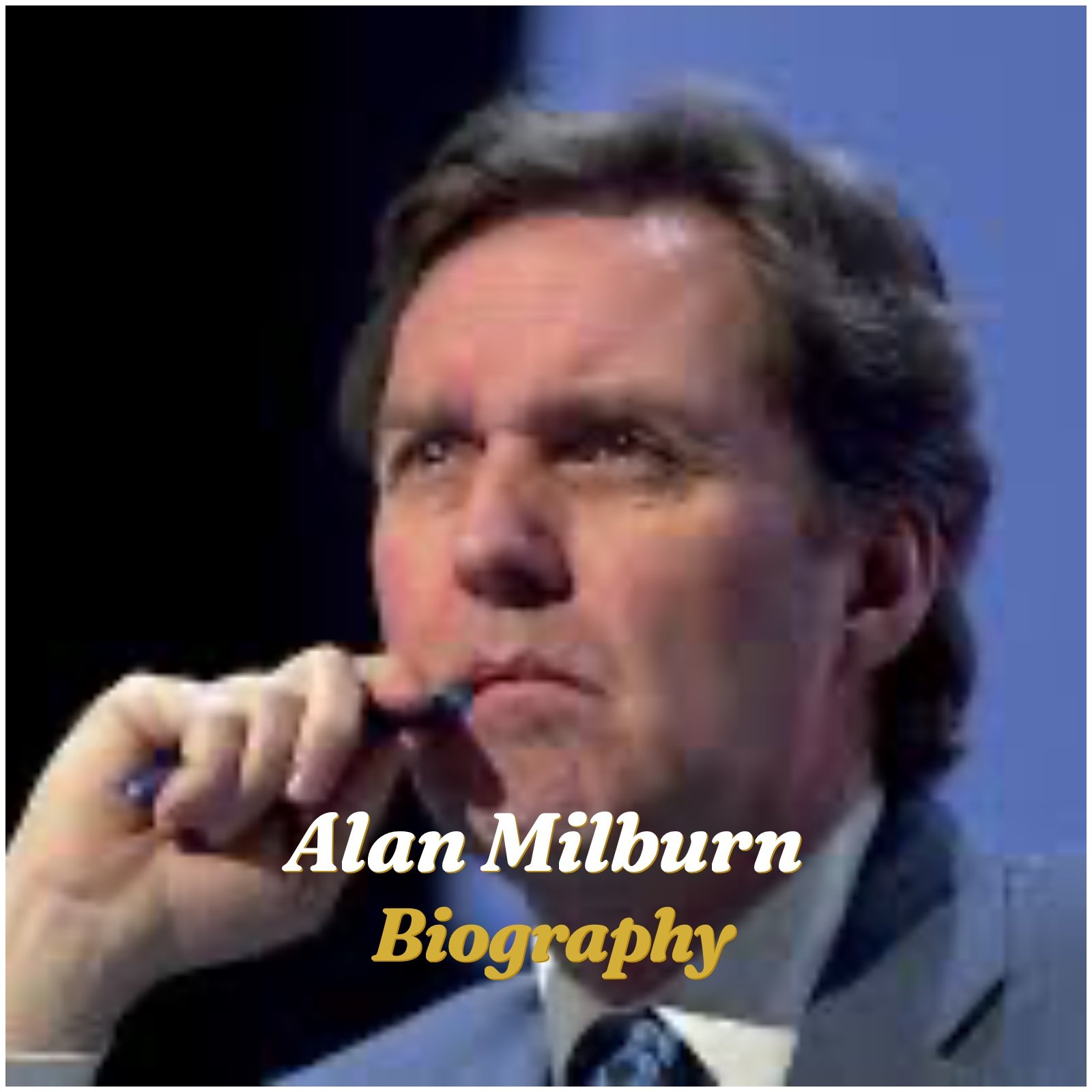
Introduction Alan Milburn Biography
Alan Milburn is a British politician, policy adviser, and former senior Labour Party minister who became one of the most influential figures in Tony Blair’s government during the late 1990s and early 2000s. He is widely recognized for his major role in reforming the National Health Service (NHS) and shaping modern public service policies in the United Kingdom. Over the years, Milburn built a strong reputation as a reform-minded politician focused on healthcare, economic opportunity, and social mobility.
Born on January 27, 1958, in Whitehaven, England, Alan Milburn served as the Member of Parliament for Darlington from 1992 to 2010. During his political career, he held several major cabinet positions including Chief Secretary to the Treasury, Secretary of State for Health, and Chancellor of the Duchy of Lancaster. His leadership in the health sector helped modernize NHS services and introduced significant policy reforms that continued to influence British healthcare for many years after his departure from frontline politics.
In recent years, Alan Milburn has remained active in national policy discussions through his work in education, social mobility advocacy, and youth employment reform. In 2025 and 2026, he returned to national attention after being appointed to lead an independent UK government review into rising youth unemployment and economic inactivity among young people. His recent warnings about mental health struggles, workplace anxiety, and the growing number of disengaged young adults have once again positioned him as an important voice in British public policy and social reform debates.
Alan Milburn Early Life and Background
Alan Milburn was born on January 27, 1958, in Whitehaven, Cumberland, England. He spent much of his childhood growing up in the North East of England, particularly in County Durham and Newcastle-upon-Tyne. Raised in a working-class environment, Milburn experienced a modest upbringing that later shaped many of his political views about social equality, public services, and economic opportunity. His early life exposed him to the realities faced by ordinary British families during a period of major industrial and social change in the country.
During his childhood, Alan Milburn was largely raised by his mother before the family later relocated to North Yorkshire following her remarriage. He attended John Marley School in Newcastle before continuing his secondary education at Stokesley Comprehensive School. From a young age, he developed a strong interest in history, politics, and social issues, often showing curiosity about how government policies affected everyday people and local communities.
After completing his secondary education, Milburn gained admission to Lancaster University where he studied History. He graduated in 1979 with an upper second-class honours degree. His university years played a major role in shaping his political awareness and intellectual development. Following his graduation, he briefly pursued postgraduate studies at Newcastle University but did not complete the doctoral program. Before entering mainstream politics, he became involved in trade union research, community campaigns, and Labour Party organizing activities across northern England, experiences that helped prepare him for his future political career.
Alan Milburn Education
Alan Milburn received his early education in northern England where he attended John Marley School in Newcastle-upon-Tyne before later continuing at Stokesley Comprehensive School in North Yorkshire. During his school years, he developed a strong interest in history, politics, and public affairs. His educational background played an important role in shaping his understanding of society, government, and economic issues, subjects that would later define much of his political career.
After completing his secondary education, Milburn gained admission to Lancaster University where he studied History. He graduated in 1979 with an upper second-class honours degree. His time at university exposed him to deeper political discussions, social policy debates, and intellectual movements that influenced his future involvement in Labour Party politics and public service reform. Lancaster University also helped sharpen his analytical and communication skills, qualities that later became visible throughout his political career.
Following his undergraduate studies, Alan Milburn enrolled at Newcastle University to pursue doctoral research. However, he did not complete the PhD program. Despite not finishing his postgraduate studies, his academic background and research experience helped strengthen his policy knowledge and understanding of British social and political structures. Before entering Parliament, he further developed his expertise through work in trade union research and regional economic campaigns, practical experiences that complemented his formal education and prepared him for leadership roles in government and national policymaking.
Alan Milburn Career
Alan Milburn began his professional journey through trade union research and regional economic campaigns in northern England. Before entering Parliament, he worked with organizations focused on industrial development, employment issues, and Labour Party political activities. These early experiences helped him build strong connections within the Labour movement and gave him firsthand understanding of the economic challenges facing working-class communities across Britain.
His major political breakthrough came in 1992 when he was elected as the Labour Member of Parliament for Darlington. During his early years in Parliament, Milburn quickly gained attention for his intelligence, communication skills, and policy-focused approach. As the Labour Party moved toward modernization under Tony Blair, Milburn became closely associated with the reformist “New Labour” movement that aimed to reshape the party’s image and policies for a new generation of voters.
After Labour’s landslide victory in the 1997 general election, Alan Milburn entered government and rapidly rose through the ranks. He first served as Minister of State at the Department of Health before being promoted to Chief Secretary to the Treasury in 1998. In 1999, he became Secretary of State for Health, one of the most powerful positions in the British government. During his time as Health Secretary, Milburn led major reforms within the National Health Service (NHS), focusing on hospital modernization, patient choice, shorter waiting times, and increased investment in healthcare services. His leadership made him one of the most influential cabinet ministers of the Tony Blair era.
In 2003, Milburn resigned from frontline politics to spend more time with his family, but he later returned briefly to government in 2004 as Chancellor of the Duchy of Lancaster. In that role, he helped coordinate Labour’s preparations for the 2005 general election. Despite remaining influential within Labour circles, he gradually stepped away from parliamentary politics and chose not to contest the 2010 general election, officially ending his career as a Member of Parliament after nearly two decades in office.
Following his departure from active politics, Alan Milburn built a successful career in consultancy, education leadership, and corporate advisory work. He worked with major organizations including PricewaterhouseCoopers, Mars Incorporated, and Bridgepoint Capital. He also became Chancellor of Lancaster University and chaired several national commissions focused on social mobility, youth opportunity, and educational reform. His post-political career allowed him to continue influencing public policy outside Parliament while focusing on issues such as inequality, employment, and access to opportunity.
In recent years, Milburn has once again returned to national attention through his work on youth employment and social reform. In 2025 and 2026, the UK government appointed him to lead an independent review into the growing number of young people not in education, employment, or training. His warnings about mental health struggles, workplace anxiety, and economic inactivity among British youth have generated widespread public discussion and reinforced his reputation as a leading voice on social policy and reform in modern Britain.
Alan Milburn Personal Life
Alan Milburn has generally maintained a private and low-profile personal life despite spending many years in frontline British politics. Earlier in his life, he was married to Mo O’Toole, who later became a Labour Member of the European Parliament. Although the marriage eventually ended, both remained respected figures within Labour political circles during their respective careers.
In 2007, Alan Milburn married consultant psychiatrist Ruth Briel. The couple have children together and have largely kept their family life away from intense media attention. Throughout his political and professional journey, Milburn has often emphasized the importance of balancing public responsibilities with family commitments, a factor that partly influenced his temporary withdrawal from frontline politics in 2003.
Outside politics and public policy, Alan Milburn is known to have a strong interest in football and has long supported Newcastle United Football Club. Friends and colleagues have often described him as calm, analytical, and highly focused, qualities that became visible throughout both his political career and his later consultancy and advisory roles. Despite leaving active parliamentary politics, he has continued to maintain influence in British public life through education, social mobility advocacy, and national policy discussions.
Alan Milburn Age, Religion, Tribe, Height and Physical Appearance
Alan Milburn was born on January 27, 1958, in Whitehaven, Cumberland, England. As of 2026, he is 68 years old. He is British by nationality and comes from an English ethnic background. Having spent much of his life in northern England, particularly in Newcastle and County Durham, his regional upbringing strongly influenced both his personality and political outlook throughout his career in public service and government.
Although Alan Milburn has maintained a relatively private personal life compared to many British politicians, he has generally been associated with mainstream Christian cultural values common within many traditional British families. However, he has not publicly emphasized religion as a central part of his political identity or public image. His focus throughout his career has remained largely on healthcare reform, social mobility, economic opportunity, and public policy development.
In terms of physical appearance, Alan Milburn is known for his clean and professional style that reflects his years in British politics and corporate advisory work. He has an average build, fair complexion, and distinctive grey hair which became more noticeable during his later years in public life. His appearance is often described as calm, confident, and statesmanlike, qualities that helped strengthen his public image as an experienced policymaker and senior government figure. Over the years, his composed personality, formal dressing style, and confident communication skills contributed to his reputation as one of the most recognizable reform-minded politicians of the Tony Blair era.
Alan Milburn Net Worth
Alan Milburn has built substantial financial success through his long career in politics, consultancy, corporate advisory work, and public policy leadership. Although his exact net worth has not been officially disclosed, various public estimates place his wealth in the multi-million-pound range. His financial growth became more noticeable after leaving frontline politics, when he transitioned into private sector consulting and senior advisory positions with major international companies and organizations.
After stepping away from Parliament, Milburn worked with several high-profile firms including PricewaterhouseCoopers, Bridgepoint Capital, and Mars Incorporated. He also earned income through public speaking engagements, policy consultancy, board memberships, and educational leadership roles. His appointment as Chancellor of Lancaster University and involvement in social mobility commissions further strengthened his professional profile beyond politics. These multiple income streams contributed significantly to his financial stability and long-term wealth accumulation.
In addition to consultancy and advisory work, Alan Milburn’s reputation as a respected former cabinet minister opened opportunities within business, education, and public policy sectors across the United Kingdom. Despite criticism from some political opponents over former ministers moving into corporate roles, Milburn continued to maintain influence in both public and private sectors. His successful transition from government into consultancy and institutional leadership helped establish him as one of the financially successful former Labour politicians of his generation.
Alan Milburn Legacy
Alan Milburn’s legacy is strongly connected to his role in modernizing public services in the United Kingdom, particularly during his time as Secretary of State for Health under Prime Minister Tony Blair. He became one of the leading architects of major National Health Service (NHS) reforms in the early 2000s, introducing policies focused on hospital modernization, patient choice, reduced waiting times, and increased healthcare investment. His influence helped shape the direction of British healthcare policy for many years and positioned him as one of the most important reformist politicians of the New Labour era.
Beyond healthcare, Milburn also built a lasting reputation as a strong advocate for social mobility, education reform, and youth opportunity. After leaving frontline politics, he dedicated much of his career to addressing inequality and improving access to employment and education for disadvantaged young people. Through his leadership of social mobility commissions, educational institutions, and government policy reviews, he continued influencing national conversations about fairness, economic opportunity, and the future of younger generations in Britain.
In recent years, Alan Milburn’s work on youth unemployment and mental health challenges among young people has once again brought him into the national spotlight. His warnings about economic inactivity, workplace anxiety, and the risks of losing a generation of young workers have reinforced his reputation as a serious public policy thinker and experienced national reformer. Today, he is remembered not only as a former senior Labour politician but also as a prominent voice in shaping discussions around healthcare, social reform, and long-term opportunity in modern British society.
Conclusion
Alan Milburn remains one of the most influential reform-minded politicians of the New Labour era, known for his major contributions to healthcare reform, social mobility, and public policy development in the United Kingdom. From his early beginnings in northern England to becoming a senior cabinet minister under Tony Blair, he built a career centered on improving public services and expanding opportunities for ordinary citizens. Even after leaving frontline politics, Milburn continued to shape national discussions through his work in consultancy, education, and youth employment reform. His lasting impact on the NHS, social equality debates, and modern British policymaking continues to make him an important figure in contemporary British political history.
Frequently Asked Questions About Alan Milburn
1. Who is Alan Milburn?
Alan Milburn is a British politician, policy adviser, and former senior Labour Party minister who served in Tony Blair’s government and became widely known for leading major NHS reforms in the United Kingdom.
2. How old is Alan Milburn?
Alan Milburn was born on January 27, 1958, in Whitehaven, England. As of 2026, he is 68 years old and remains active in public policy and social reform discussions.
3. What is Alan Milburn known for?
Alan Milburn is best known for serving as the UK Secretary of State for Health between 1999 and 2003, where he introduced major reforms aimed at modernizing the National Health Service and improving healthcare delivery.
4. Which political party does Alan Milburn belong to?
Alan Milburn is a member of the Labour Party in the United Kingdom and was closely associated with Tony Blair’s New Labour movement during the late 1990s and early 2000s.
5. What positions did Alan Milburn hold in government?
During his political career, Alan Milburn served as Chief Secretary to the Treasury, Secretary of State for Health, and Chancellor of the Duchy of Lancaster under Prime Minister Tony Blair’s government.
6. Where was Alan Milburn born?
Alan Milburn was born in Whitehaven, Cumberland, England, and spent much of his early life growing up in northern England, particularly in Newcastle and County Durham.
7. What university did Alan Milburn attend?
Alan Milburn studied History at Lancaster University, where he graduated with an upper second-class honours degree before later pursuing postgraduate studies at Newcastle University.
8. Is Alan Milburn married?
Yes. Alan Milburn is married to consultant psychiatrist Ruth Briel. The couple have children together and have largely maintained a private family life away from constant media attention.
9. What does Alan Milburn do now?
In recent years, Alan Milburn has focused on consultancy, education leadership, and social mobility advocacy. He also leads major policy reviews related to youth unemployment and economic inactivity in Britain.
10. What is Alan Milburn’s legacy?
Alan Milburn’s legacy is linked to healthcare modernization, NHS reform, social mobility advocacy, and public service transformation. He is widely regarded as one of the leading reformist politicians of the New Labour era.