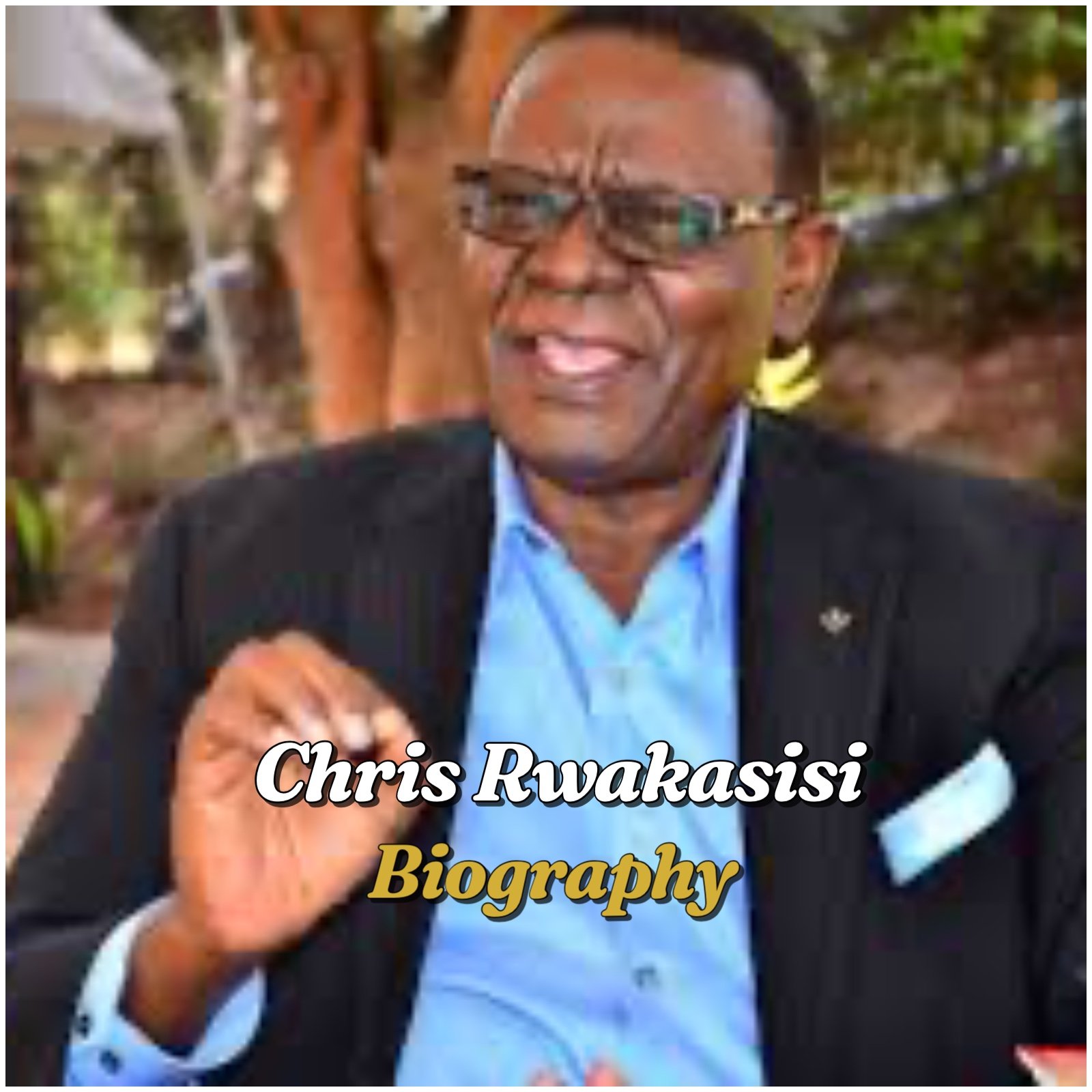
Who is Chris Rwakasisi?
Chris Rwakasisi is a prominent Ugandan politician and former security official who played a significant role in the country’s political and security landscape during the early 1980s. He rose to national prominence as the Minister of State for Security under former Ugandan President Milton Obote during the Obote II administration. As one of the most influential figures in government at the time, Rwakasisi was deeply involved in national security matters during a period marked by political unrest, armed conflict, and major challenges to state stability.
His life story remains one of the most dramatic in modern Ugandan history. Following the overthrow of Obote’s government in 1985, Rwakasisi was arrested, prosecuted, and sentenced to death on charges related to kidnapping and attempted murder. He spent approximately twenty-four years on death row in Luzira Prison, becoming one of Uganda’s longest-serving death-row inmates. His imprisonment attracted widespread attention and turned him into a symbol of the country’s turbulent political past.
What makes Chris Rwakasisi’s story particularly remarkable is his transformation from a powerful security minister and condemned prisoner to a figure associated with reconciliation and forgiveness. After receiving a presidential pardon from Yoweri Museveni in 2009, he publicly embraced national unity and reconciliation. Today, he is remembered not only for his controversial role in Uganda’s political history but also for his journey through imprisonment, redemption, and reintegration into public life, making him one of the most discussed political figures of his generation.
Chris Rwakasisi Early Life and Background
Chris Rwakasisi was born and raised in the Ankole region of western Uganda. He grew up during a period when Uganda was still developing its post-independence political identity. Although detailed information about his childhood and family background remains limited in public records, he spent his formative years in a community known for producing influential political leaders, civil servants, and professionals. The values of leadership, public service, and community engagement that characterized the region would later influence his interest in national affairs.
From an early age, Rwakasisi displayed an interest in governance and public administration. He witnessed the rapid political changes that shaped Uganda during the 1960s and 1970s, including periods of instability and leadership transitions. These experiences exposed him to the realities of national politics and inspired him to become actively involved in public service. As he matured, he developed a strong understanding of political organization and state administration, qualities that would eventually help him rise through the ranks of government.
His early involvement in political activities brought him into contact with influential figures within the ruling establishment. Through dedication and political experience, he gradually earned the trust of senior leaders, including Milton Obote. This relationship would prove pivotal in shaping his future career, as he later became one of the most powerful security officials in the country. The foundation laid during his early years ultimately prepared him for a prominent role in Uganda’s political and security institutions.
Chris Rwakasisi Education
Chris Rwakasisi received his early education in Uganda, where he completed his primary and secondary schooling during a period when the country’s educational system was expanding after independence. Public sources about his educational background are limited, and detailed information regarding the specific schools he attended has not been widely documented. Nevertheless, his academic foundation equipped him with the knowledge and discipline that would later support his involvement in public administration and national politics.
After completing his basic education, Rwakasisi pursued further studies that enhanced his understanding of governance, leadership, and state affairs. Public records do not provide extensive details about his tertiary education or professional qualifications. However, his later rise to senior government positions suggests that he possessed the administrative skills, political knowledge, and leadership abilities required to operate effectively within Uganda’s public service system.
Throughout his career, Rwakasisi demonstrated a strong grasp of security management, government operations, and political strategy. While much of his expertise was gained through practical experience in public office, his educational background played an important role in shaping his ability to navigate complex national issues. The combination of formal education and hands-on political experience helped prepare him for his eventual role as one of the most influential security officials in Uganda during the Obote II administration.
Chris Rwakasisi Career
Chris Rwakasisi built his career through active involvement in Ugandan politics and public service. As a member of the ruling Uganda People’s Congress (UPC), he steadily gained influence within government circles during a period of intense political competition in Uganda. His loyalty, organizational skills, and understanding of state affairs helped him rise through the ranks, earning the confidence of senior political leaders. Over time, he became closely associated with the administration of Milton Obote and emerged as one of the key figures within the government.
Rwakasisi achieved national prominence when he was appointed Minister of State for Security during the Obote II government from 1980 to 1985. In this position, he was responsible for overseeing matters related to internal security and intelligence at a time when Uganda faced armed insurgencies, political unrest, and significant security challenges. His role placed him at the center of government decision-making and made him one of the most powerful officials in the country. As security minister, he worked closely with state institutions responsible for maintaining law and order and protecting the government from internal threats.
His political career took a dramatic turn following the military coup that overthrew Obote’s government in 1985. Rwakasisi was arrested, prosecuted, and later sentenced to death on charges related to kidnapping and attempted murder. He spent approximately twenty-four years on death row in Luzira Prison, bringing an abrupt end to his government service. Despite his conviction, he maintained his innocence throughout his imprisonment and remained a notable figure in discussions about Uganda’s political history.
A major turning point came in 2009 when he received a presidential pardon from Yoweri Museveni and was released from prison. Following his release, Rwakasisi publicly embraced reconciliation and forgiveness, surprising many observers given the political rivalry that had existed between him and Museveni’s government. His release marked the beginning of a new chapter in his public life and transformed his image from that of a former security chief and death-row inmate to a symbol of political reconciliation.
In the years that followed, Rwakasisi remained active in public affairs and occasionally commented on national issues. He also served in advisory capacities and became known for advocating unity and peaceful coexistence among Ugandans. His willingness to reconcile with former political opponents earned him respect from some quarters of society and contributed to his rehabilitation in public life.
Today, Chris Rwakasisi’s career is remembered for its extraordinary highs and lows. From becoming one of the most influential security officials in Uganda to spending decades on death row and eventually returning to public life, his journey reflects some of the most significant political developments in Uganda’s modern history. His career remains a subject of debate, but it undeniably occupies an important place in the country’s political narrative.
Chris Rwakasisi Arrest, Conviction and Death Row
The fall of the Obote II government in July 1985 marked a dramatic turning point in Chris Rwakasisi’s life and career. Following the military coup that removed President Milton Obote from power, Rwakasisi became one of the most wanted officials of the former administration. As a senior security minister, he was closely associated with the government’s security operations and quickly came under investigation after the change in leadership. He was eventually arrested and detained as authorities pursued legal action against several prominent figures from the previous regime.
In 1988, Rwakasisi was convicted on charges of kidnapping with intent to murder in connection with a case involving political opponents during his time in government. The court found him guilty and sentenced him to death. The conviction effectively ended his political career and placed him among Uganda’s most high-profile prisoners. Despite the verdict, Rwakasisi consistently maintained that he was innocent and argued that his prosecution was politically motivated. His case attracted considerable public attention because of his former status as one of the country’s most powerful security officials.
Following his conviction, Rwakasisi was transferred to Luzira Maximum Security Prison, where he spent approximately twenty-four years on death row. During those years, he experienced the harsh realities of prison life while waiting for the outcome of appeals and clemency efforts. His lengthy incarceration made him one of the longest-serving death-row inmates in Uganda’s history. The contrast between his former position in government and his life behind bars became one of the most striking stories in the country’s political landscape.
While in prison, Rwakasisi underwent significant personal reflection and became known for his resilience and faith. Over time, his case evolved from a legal matter into a broader discussion about justice, reconciliation, and political change in Uganda. Supporters campaigned for his release, while others viewed his imprisonment as accountability for actions allegedly committed during his time in office. The debate surrounding his conviction remained active for many years.
A major breakthrough came in 2009 when President Yoweri Museveni exercised his constitutional powers to grant Rwakasisi a presidential pardon. After spending nearly a quarter of a century on death row, he was released from prison and reunited with his family. His release marked the end of one of the longest and most controversial chapters in Uganda’s political and judicial history, setting the stage for his later role as a public advocate for reconciliation and national unity.
Chris Rwakasisi Release and Reconciliation
After spending approximately twenty-four years on death row in Luzira Maximum Security Prison, Chris Rwakasisi’s fortunes changed dramatically in 2009 when he received a presidential pardon from Yoweri Museveni. The decision brought an end to one of the longest periods of incarceration endured by a high-profile political figure in Uganda. His release attracted widespread national attention, as many Ugandans viewed it as a significant act of mercy and a powerful symbol of reconciliation after decades of political division.
Upon regaining his freedom, Rwakasisi surprised many observers by expressing gratitude toward President Museveni and his government. Despite having spent nearly a quarter of a century in prison under the administration of a former political rival, he chose a path of forgiveness rather than resentment. He publicly acknowledged the pardon and spoke about the importance of national unity, peace, and moving beyond the conflicts that had shaped Uganda’s past. His response was widely interpreted as a remarkable demonstration of personal transformation and maturity.
The reconciliation between Rwakasisi and Museveni became one of the most talked-about political developments in Uganda. Many people who had expected hostility instead witnessed a former death-row inmate embracing dialogue and cooperation. This new relationship eventually led to Rwakasisi’s reintegration into public life, where he was given opportunities to contribute his experience and perspectives on national issues. His willingness to work alongside former political opponents helped strengthen his reputation as a supporter of peace and reconciliation.
In the years following his release, Rwakasisi frequently shared lessons from his experiences in prison and encouraged Ugandans to embrace forgiveness. He often emphasized the importance of national stability and urged citizens to avoid political conflicts that could threaten the country’s progress. His public appearances and statements reflected a man who had been deeply affected by years of incarceration and who now sought to promote understanding rather than division.
Today, Chris Rwakasisi’s release and reconciliation story is regarded as one of the most remarkable examples of political forgiveness in Uganda’s modern history. His journey from powerful security minister to condemned prisoner and eventually to a respected advocate of reconciliation illustrates the possibility of personal change and national healing. For many observers, his story remains a powerful reminder that dialogue, forgiveness, and unity can help bridge even the deepest political differences.
Chris Rwakasisi Age, Religion, Nationality, Height and Physical Appearance
Chris Rwakasisi is a Ugandan national who has spent much of his life involved in the country’s political and public affairs. Although he is widely recognized as a prominent figure in Uganda’s modern political history, his exact date of birth has not been publicly documented in widely available sources. As a result, his precise age is not officially known. Nevertheless, based on his political activities and government service during the early 1980s, he is believed to be an elderly statesman in his later years.
Regarding religion, Chris Rwakasisi has generally been associated with the Christian faith, which is the predominant religion in many parts of western Uganda, including the Ankole region where he originates. Throughout his years in prison and after his release, he often spoke about forgiveness, faith, and divine intervention, themes that reflected strong religious values. However, detailed information about his specific denomination has not been extensively publicized.
As a Ugandan citizen, Rwakasisi has remained closely connected to his country’s political development for decades. He is widely identified with the Ankole region of western Uganda and is regarded as one of the notable political figures to emerge from that area. His long involvement in national affairs, both before and after his imprisonment, has made him a recognizable figure in Uganda’s historical and political discourse.
In terms of physical appearance, Chris Rwakasisi is known for his dignified and statesmanlike presence. In his later years, he has typically appeared with gray hair and a mature appearance that reflects his age and life experiences. While his exact height has not been publicly disclosed, he is generally seen as having an average build and a calm, composed demeanor. His distinctive appearance, combined with his remarkable life story, has contributed to his recognition as one of Uganda’s most memorable political personalities.
Chris Rwakasisi Legacy
Chris Rwakasisi’s legacy occupies a unique and often debated place in Uganda’s political history. As Minister of State for Security during the Obote II administration, he was one of the most influential officials in government during a period marked by political instability and armed conflict. His role in the security apparatus made him a significant figure in shaping events of the early 1980s, ensuring that his name would remain part of discussions about Uganda’s post-independence political development for generations to come.
Beyond his years in government, Rwakasisi is remembered for his extraordinary journey through imprisonment and redemption. After being sentenced to death and spending approximately twenty-four years on death row, he emerged from prison with a message centered on forgiveness and reconciliation. His decision to embrace peace rather than bitterness after his release transformed public perceptions of him and made his story one of the most remarkable examples of personal resilience in Uganda’s modern history.
Today, Chris Rwakasisi’s legacy is viewed through both historical and human lenses. While opinions differ regarding his political career and actions during his time in office, many people acknowledge the significance of his later advocacy for national unity and reconciliation. His life story serves as a powerful reminder of the complexities of politics, the consequences of political conflict, and the possibility of personal transformation. As a result, he remains one of the most memorable and widely discussed figures in Uganda’s contemporary political history.
Conclusion
Chris Rwakasisi remains one of the most fascinating and controversial figures in Uganda’s political history. From his rise as a powerful security minister in the Obote II administration to his dramatic fall, conviction, and nearly twenty-four years on death row, his life reflects some of the most turbulent periods in the nation’s past. His eventual release through a presidential pardon and his commitment to forgiveness and reconciliation added a remarkable new chapter to his story. Regardless of differing opinions about his political legacy, Rwakasisi’s journey of power, imprisonment, redemption, and public reintegration has left a lasting mark on Uganda’s historical and political landscape, ensuring that his name continues to be remembered in discussions about leadership, justice, and national reconciliation.
Frequently Asked Questions About Chris Rwakasisi
1. Who is Chris Rwakasisi?
Chris Rwakasisi is a Ugandan former politician and security official who served as Minister of State for Security during the administration of Milton Obote in the early 1980s. He later became widely known for spending approximately twenty-four years on death row before receiving a presidential pardon.
2. What position did Chris Rwakasisi hold in government?
Chris Rwakasisi served as Uganda’s Minister of State for Security during the Obote II government. In that role, he was responsible for matters relating to internal security and intelligence during one of the most politically challenging periods in the country’s history.
3. Why was Chris Rwakasisi arrested?
Following the overthrow of the Obote II government in 1985, Rwakasisi was arrested and prosecuted over allegations linked to kidnapping with intent to murder. The case became one of the most high-profile legal proceedings involving a former senior government official in Uganda.
4. Was Chris Rwakasisi convicted?
Yes. In 1988, Chris Rwakasisi was convicted on charges of kidnapping with intent to murder and was sentenced to death. Despite the conviction, he consistently maintained his innocence throughout his years in prison.
5. How long did Chris Rwakasisi spend in prison?
Chris Rwakasisi spent approximately twenty-four years on death row in Luzira Maximum Security Prison. His lengthy incarceration made him one of the longest-serving death-row inmates in Uganda’s history.
6. When was Chris Rwakasisi released from prison?
Chris Rwakasisi was released in 2009 after receiving a presidential pardon from Yoweri Museveni. His release marked the end of a long and controversial chapter in his life.
7. Did Chris Rwakasisi reconcile with President Museveni?
Yes. After his release, Rwakasisi publicly reconciled with President Museveni and expressed gratitude for the pardon. He later became known for promoting forgiveness, peace, and national unity.
8. What is Chris Rwakasisi’s nationality?
Chris Rwakasisi is a Ugandan national. He was born and raised in Uganda and spent most of his life involved in the country’s political and public affairs.
9. How old is Chris Rwakasisi?
Chris Rwakasisi’s exact date of birth has not been widely published in reliable public sources. However, based on his political activities in the early 1980s, he is believed to be in his later years and is regarded as an elder statesman.
10. What religion is Chris Rwakasisi?
Chris Rwakasisi is generally associated with Christianity. His public remarks after his release from prison often emphasized faith, forgiveness, and gratitude, reflecting strong Christian values.
11. What is Chris Rwakasisi known for today?
Today, Chris Rwakasisi is remembered for his service as a security minister, his lengthy imprisonment on death row, and his later transformation into a symbol of reconciliation and political forgiveness in Uganda.