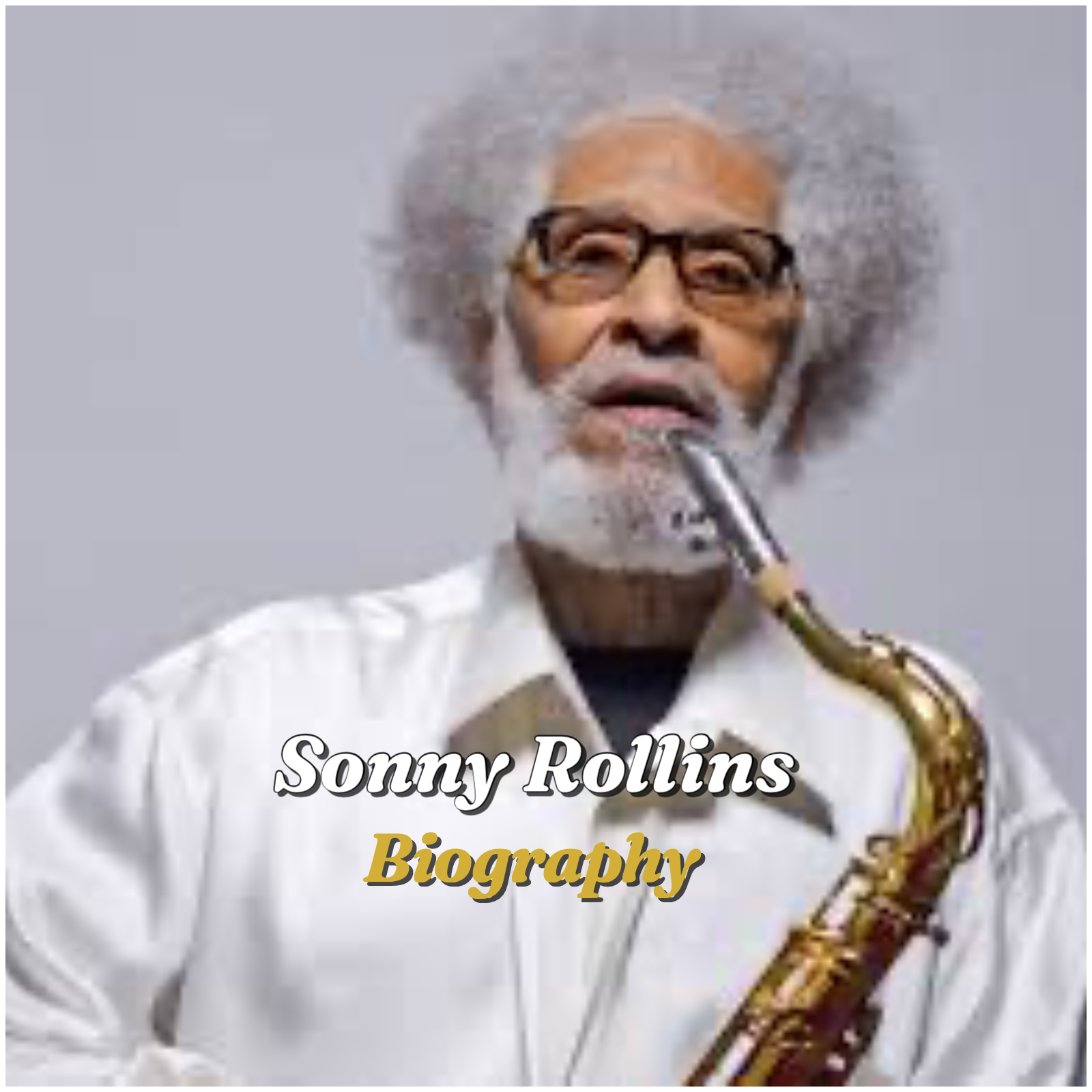
Introduction Sonny Rollins Biography
Sonny Rollins was an American jazz saxophonist, composer, and bandleader widely regarded as one of the greatest improvisers in music history. Born Walter Theodore Rollins on September 7, 1930, in Harlem, New York City, he became famous for his powerful tenor saxophone sound, fearless creativity, and ability to transform jazz through innovative improvisation. Over a remarkable career that lasted more than seven decades, Rollins released legendary albums such as Saxophone Colossus, Way Out West, Freedom Suite, and The Bridge, which established him as one of the most influential musicians of the modern jazz era.
Sonny Rollins gained international recognition for collaborating with iconic artists including Miles Davis, Thelonious Monk, and Charlie Parker. His music blended bebop, hard bop, blues, calypso, and avant-garde jazz into a unique style that inspired generations of musicians around the world. Beyond his technical brilliance, Rollins became respected for his discipline, spirituality, and constant desire for artistic growth, famously taking a break from fame to practice alone on New York’s Williamsburg Bridge in pursuit of musical perfection.
Today, Sonny Rollins is once again making global headlines following reports confirming his death on May 25, 2026, at the age of 95. Tributes from musicians, fans, and cultural institutions across the world continue to celebrate his extraordinary contribution to jazz music and his lasting legacy as the legendary “Saxophone Colossus.” His influence remains deeply embedded in modern jazz culture, with countless artists still studying and performing his timeless recordings.
Early Life and Background of Sonny Rollins
Sonny Rollins was born Walter Theodore Rollins on September 7, 1930, in Harlem, New York City, United States. He was born into a hardworking family of Virgin Islands descent and grew up during a period when Harlem was one of the most important cultural centers for African American music, art, and entertainment. The lively jazz environment around him played a major role in shaping his future passion for music and performance.
As a child, Rollins was naturally drawn to music and entertainment. He first learned to play the piano before later developing interest in the alto saxophone. Inspired by legendary musicians like Coleman Hawkins and Louis Jordan, he eventually switched to the tenor saxophone, the instrument that would later make him world famous. During his teenage years, he spent time around talented young musicians in Harlem, including future jazz stars who shared the same dreams and ambitions.
Growing up in Harlem exposed Sonny Rollins to both the struggles and beauty of African American urban life during the 1930s and 1940s. Despite challenges in the community, music became a source of hope, discipline, and identity for him. He often practiced tirelessly and developed a deep understanding of rhythm, improvisation, and storytelling through sound. These early experiences helped build the confidence, creativity, and originality that later defined his legendary jazz career.
Sonny Rollins Education and Academic Background
Sonny Rollins completed his early education in Harlem, New York City, where he was raised in a culturally rich environment filled with music and artistic influence. He attended Edward W. Stitt Junior High School and later studied at Benjamin Franklin High School in East Harlem. During this period, he developed a strong passion for jazz and spent much of his time learning and practicing music alongside his regular studies.
Even though Rollins did not receive formal conservatory training in his early years, his real musical education came from the vibrant Harlem jazz scene. He learned by listening to legendary musicians, attending live performances, and practicing tirelessly with fellow young artists who later became important names in jazz music. This environment helped him build exceptional improvisational skills and a deep understanding of rhythm, melody, and musical expression.
As his career progressed, Sonny Rollins continued educating himself through practical experience, collaborations, and constant artistic exploration. His commitment to growth and self-improvement became one of the foundations of his legendary success. Over the years, his contributions to jazz earned him honorary doctorate degrees and recognition from respected institutions such as Berklee College of Music and Juilliard School, honoring his lasting impact on global music and jazz education.
Sonny Rollins Career Journey and Musical Success
Sonny Rollins began his professional music career in the late 1940s during the rise of bebop jazz in New York City. As a young saxophonist, he quickly gained attention for his powerful sound, confidence, and remarkable improvisational ability. His early years in the jazz scene allowed him to perform with talented musicians and learn directly from some of the greatest artists of the era. Rollins soon became recognized as one of the most promising young tenor saxophonists in America.
During the early stages of his career, Rollins performed and recorded with legendary musicians such as Miles Davis, Thelonious Monk, Charlie Parker, and Max Roach. His collaborations helped shape modern jazz and introduced him to wider audiences across the United States. Around this period, he also composed classic jazz standards including “Oleo,” “Airegin,” and “Doxy,” which later became some of the most performed songs in jazz history.
Sonny Rollins achieved a major breakthrough in 1956 with the release of his legendary album Saxophone Colossus. The album established him as one of the leading figures in modern jazz and earned him the famous nickname “Saxophone Colossus.” Songs like “St. Thomas” showcased his ability to combine Caribbean influences, blues, and advanced jazz improvisation into a unique musical identity. The success of the album made him an international jazz sensation and cemented his place among the greatest saxophonists of all time.
Throughout the late 1950s and early 1960s, Rollins continued releasing influential albums including Way Out West, Freedom Suite, and The Bridge. One of the most remarkable moments in his career came when he temporarily stepped away from public performances to focus on personal improvement and musical growth. During this period, he famously practiced for hours alone on New York’s Williamsburg Bridge because he wanted to perfect his sound away from distractions. His return to music with The Bridge became one of the most celebrated comebacks in jazz history.
As his career expanded, Sonny Rollins became known for his fearless experimentation and live performances. He explored hard bop, calypso, avant-garde jazz, blues, and free improvisation while constantly evolving his style. He performed at major international festivals, toured across continents, and inspired generations of musicians through his creativity and originality. Rollins also collaborated with artists outside traditional jazz circles, including members of The Rolling Stones, showing his versatility and influence across different genres of music.
Over a career spanning more than seven decades, Rollins released over sixty albums and received numerous honors and awards for his contribution to music. His achievements included Grammy Awards, the Grammy Lifetime Achievement Award, the National Medal of Arts, and the prestigious Kennedy Center Honors. Even after officially retiring from live performances in 2014 due to health challenges, his music continued influencing jazz musicians and scholars around the world.
Sonny Rollins remains widely celebrated as one of the greatest improvisers in music history. His dedication to artistic excellence, continuous self-improvement, and innovative approach to jazz transformed the genre forever. His recordings continue to serve as educational masterpieces studied by musicians across generations, ensuring that his impact on world music will never be forgotten.
Why Sonny Rollins Is Trending After His Death
Sonny Rollins is currently trending worldwide following reports confirming his death on May 25, 2026, at the age of 95. News of his passing quickly spread across international media, music communities, and social platforms, with tributes pouring in from fellow musicians, celebrities, jazz historians, and fans around the world. Many people described his death as the loss of one of the final living giants of jazz’s golden era.
The legendary saxophonist became globally respected for transforming modern jazz through his extraordinary improvisational style, emotional depth, and fearless creativity. Following the announcement of his death, many music organizations revisited his iconic albums such as Saxophone Colossus, The Bridge, and Way Out West, celebrating the timeless impact of his recordings on jazz history. Musicians and critics praised his discipline, originality, and lifelong dedication to artistic growth.
Sonny Rollins also trended because his life story inspired generations beyond music alone. Fans continued sharing the famous story of how he temporarily left fame behind to practice alone on New York’s Williamsburg Bridge in pursuit of musical perfection. Across the world, many described him as a symbol of excellence, resilience, self-improvement, and creative freedom. His death marked the end of an extraordinary era in jazz history, but his influence continues to live on through the countless artists and listeners inspired by his music.
Sonny Rollins Personal Life, Wife, and Lifestyle
Sonny Rollins lived a life deeply shaped by music, spirituality, discipline, and personal growth. Despite becoming one of the most celebrated jazz musicians in the world, he remained known for his humble personality, thoughtful nature, and strong commitment to self-improvement. Throughout his life, Rollins often spoke about the importance of inner peace, creativity, and continuous learning, values that influenced both his personal journey and musical career.
Sonny Rollins married Lucille Pearson in 1965, and she later became not only his wife but also his manager and one of the strongest supporters of his career. Their relationship played an important role in helping him manage both his personal and professional life during decades of international fame. The couple eventually settled in Germantown, New York, where Rollins spent much of his later years away from the busy entertainment spotlight. Lucille remained a major influence in his life until her death in 2004.
Outside music, Rollins developed a strong interest in yoga, meditation, and Eastern philosophy. He practiced these disciplines for many years as part of his search for balance, mental clarity, and spiritual understanding. He believed that music was connected to human emotion and personal development, which is why many people viewed him as more than just a musician. His thoughtful approach to life made him respected not only for his talent but also for his wisdom and character.
Although Rollins faced personal struggles earlier in life, including battles with drug addiction during his younger years, he successfully overcame those challenges through determination and discipline. His ability to recover and rebuild himself became one of the most inspiring aspects of his story. Throughout his later years, he focused on health, reflection, and preserving the artistic legacy he had built over decades.
Sonny Rollins was also known for valuing privacy despite his global fame. He preferred living quietly while allowing his music to speak for itself. Friends, fellow musicians, and fans often described him as intelligent, reflective, disciplined, and deeply committed to artistic honesty. His personal life reflected the same qualities that defined his music — strength, creativity, resilience, and a constant desire to grow as both an artist and a human being.
Sonny Rollins Age, Religion, Tribe, Height and Physical Appearance
Sonny Rollins was born on September 7, 1930, in Harlem, New York City, United States. At the time of his death on May 25, 2026, he was 95 years old. He was an American citizen with family roots tracing back to the United States Virgin Islands through his parents. His Caribbean heritage later influenced parts of his musical style, especially his love for calypso rhythms and cultural fusion in jazz music.
Although Sonny Rollins did not publicly identify strongly with a particular organized religion for most of his life, he was widely known for his spiritual lifestyle and deep interest in yoga, meditation, and Eastern philosophy. He believed strongly in self-discipline, inner peace, and personal growth, values that shaped both his music and everyday life. His spiritual mindset became one of the defining aspects of his personality and artistic identity.
In terms of ethnicity and tribe, Sonny Rollins was African American with Caribbean ancestry from the Virgin Islands. His cultural background played an important role in shaping his worldview, musical creativity, and connection to African American jazz traditions. Throughout his career, he proudly embraced Black culture and used music as a form of expression, identity, and storytelling.
Sonny Rollins stood at an estimated height of about 5 feet 10 inches tall. He had a slim physique for much of his life and was instantly recognizable because of his confident stage presence and signature tenor saxophone performances. In his younger years, he was known for his energetic performances, sharp fashion sense, and charismatic appearance, while in later years he became admired for his calm, wise, and dignified presence.
Physically, Rollins had a strong facial structure, expressive eyes, and a commanding presence that reflected both confidence and intelligence. His style was often simple yet elegant, allowing his music and personality to remain the center of attention rather than flashy appearances. Over the decades, his image became closely associated with jazz excellence, discipline, and artistic mastery.
Sonny Rollins’ age, cultural background, spirituality, and physical presence all contributed to the legendary image he carried throughout his career. Beyond his appearance, people remembered him most for the power of his music, his intellectual depth, and the lasting influence he had on jazz history across generations.
Sonny Rollins Net Worth and Sources of Income
Sonny Rollins had an estimated net worth of several million dollars before his death in 2026. His wealth came from a remarkable music career that lasted more than seventy years. Over the decades, Rollins earned income through album sales, live performances, international tours, royalties, licensing deals, and streaming revenue from his timeless jazz recordings. His legendary status in the music industry also increased the long-term value of his catalog and legacy.
One of the major sources of Sonny Rollins’ financial success was his extensive body of work, which included more than sixty albums and countless collaborations with some of the greatest names in jazz history. Classic projects such as Saxophone Colossus, The Bridge, and Way Out West continued generating revenue long after their release because they remained highly respected within the global jazz community. His performances at major international festivals and concert halls also contributed significantly to his earnings throughout his active career years.
Beyond financial wealth, Sonny Rollins built a priceless cultural and artistic legacy that extended far beyond money. He lived a relatively private and disciplined lifestyle, focusing more on artistic growth and personal fulfillment than extravagant public displays of wealth. Even after retiring from live performances in 2014 due to health challenges, his music continued reaching new audiences worldwide, ensuring that both his influence and financial legacy remained strong within the history of jazz music.
Sonny Rollins Legacy and Influence on Jazz Music
Sonny Rollins left behind one of the most powerful and influential legacies in the history of jazz music. Widely celebrated as one of the greatest tenor saxophonists of all time, he transformed modern jazz through his fearless improvisation, emotional storytelling, and constant artistic innovation. His ability to combine bebop, hard bop, blues, calypso, and avant-garde influences created a unique musical identity that inspired generations of musicians across the world.
Throughout his career, Sonny Rollins recorded timeless albums such as Saxophone Colossus, Freedom Suite, Way Out West, and The Bridge, works that remain essential studies for jazz students, scholars, and professional musicians today. Beyond his technical brilliance, Rollins became respected for his dedication to self-improvement and artistic honesty. His famous decision to temporarily leave the spotlight and practice alone on New York’s Williamsburg Bridge became one of the most inspiring stories in music history and symbolized his lifelong pursuit of excellence.
Even after his retirement and eventual passing in 2026, Sonny Rollins’ influence continued shaping jazz culture worldwide. Countless saxophonists and composers still study his improvisational methods, stage presence, and musical philosophy. His music remains a symbol of creativity, discipline, resilience, and freedom of expression. More than just a performer, Sonny Rollins is remembered as a cultural icon whose artistry permanently changed the sound and direction of modern jazz for future generations.
Conclusion
Sonny Rollins remains one of the most extraordinary figures in the history of jazz music. From his early beginnings in Harlem to becoming the legendary “Saxophone Colossus,” he built a career defined by creativity, discipline, innovation, and timeless musical excellence. Through iconic albums, unforgettable performances, and decades of artistic influence, Rollins inspired generations of musicians and music lovers around the world. Even after his passing in 2026, his legacy continues to live on through his recordings, cultural impact, and the lasting influence he had on modern jazz and global music history.
Frequently Asked Questions About Sonny Rollins
1. Who was Sonny Rollins?
Sonny Rollins was a legendary American jazz tenor saxophonist, composer, and bandleader widely regarded as one of the greatest improvisers in music history with a career spanning more than seven decades.
2. What was Sonny Rollins’ real name?
Sonny Rollins was born Walter Theodore Rollins on September 7, 1930, in Harlem, New York City, before later becoming famous worldwide under his professional name Sonny Rollins.
3. How old was Sonny Rollins when he died?
Sonny Rollins was 95 years old at the time of his death on May 25, 2026, after living a remarkable life dedicated to music and artistic excellence.
4. Why was Sonny Rollins called the “Saxophone Colossus”?
He earned the nickname “Saxophone Colossus” after releasing his groundbreaking 1956 album of the same name, which became one of the most influential jazz albums ever recorded.
5. What are Sonny Rollins’ most famous albums?
Some of his most famous albums include Saxophone Colossus, The Bridge, Way Out West, Freedom Suite, and Tenor Madness, all considered classics in jazz history.
6. What songs did Sonny Rollins compose?
Sonny Rollins composed several famous jazz standards including “Oleo,” “Airegin,” “Doxy,” and “St. Thomas,” which continue to be performed by jazz musicians around the world today.
7. Why did Sonny Rollins practice on the Williamsburg Bridge?
He temporarily stepped away from public performances during the late 1950s and practiced for hours daily on New York’s Williamsburg Bridge to improve his sound and musical creativity.
8. Was Sonny Rollins married?
Yes. Sonny Rollins married Lucille Pearson in 1965, and she later became his manager and one of the strongest supporters throughout his legendary music career.
9. What religion did Sonny Rollins practice?
Although he was not strongly associated with organized religion publicly, Sonny Rollins followed a deeply spiritual lifestyle influenced by yoga, meditation, and Eastern philosophy for many years.
10. What was Sonny Rollins’ net worth?
Before his death, Sonny Rollins had an estimated net worth of several million dollars earned through album sales, performances, tours, royalties, and his long-standing influence in jazz music.
11. Did Sonny Rollins retire from music?
Yes. Sonny Rollins officially retired from public performances in 2014 because of health challenges, although his music continued inspiring audiences around the world after retirement.
12. What legacy did Sonny Rollins leave behind?
Sonny Rollins left behind a lasting legacy as one of the greatest jazz musicians of all time whose creativity, improvisation, and dedication to artistic excellence transformed modern jazz forever.