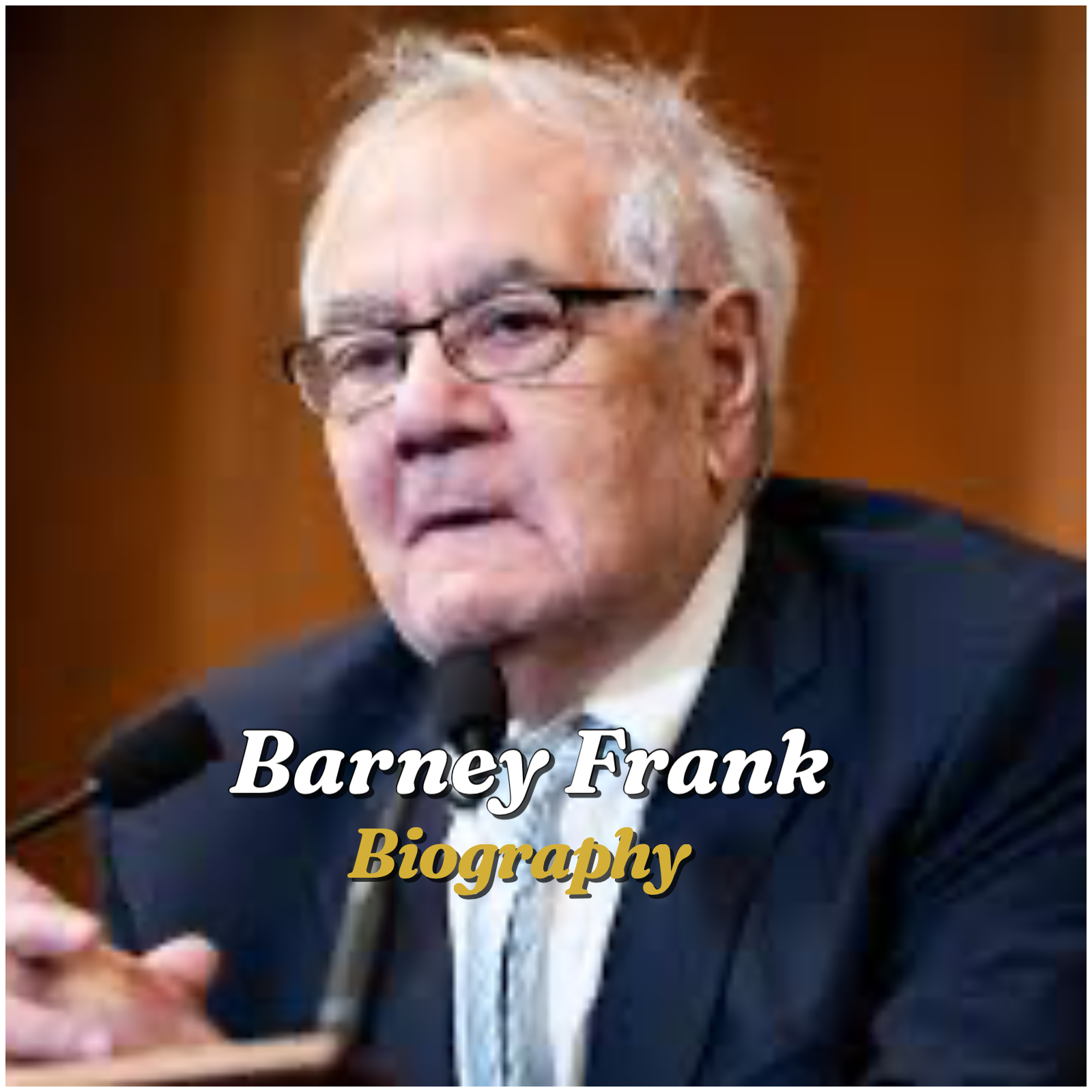
Barney Frank was a highly influential American politician, financial reform advocate, and civil rights champion who served as a Democratic member of the United States House of Representatives from Massachusetts between 1981 and 2013. Known for his sharp intelligence, outspoken personality, and deep understanding of public policy, Frank became one of the most respected liberal lawmakers in modern American political history. He played a major role in shaping banking regulations, housing policies, and LGBTQ+ rights in the United States.
Frank gained worldwide recognition after co-authoring the historic Dodd-Frank Wall Street Reform and Consumer Protection Act following the 2008 global financial crisis. The legislation introduced major financial reforms designed to strengthen oversight of Wall Street and protect consumers from abusive banking practices. Beyond financial policy, he also became a groundbreaking figure in LGBTQ+ representation after openly acknowledging his sexuality during a time when very few politicians publicly identified as gay. His courage and political influence helped inspire greater acceptance and visibility within American politics.
In May 2026, Barney Frank returned to global headlines after reports confirmed his death at the age of 86 following complications related to congestive heart failure. His passing sparked tributes from political leaders, activists, economists, and members of the LGBTQ+ community across the world. Many remembered him not only for his legislative achievements but also for his fearless personality, quick wit, and lasting impact on American political and social history.
Barney Frank Early Life and Background
Barney Frank was born as Barnett Frank on March 31, 1940, in Bayonne, New Jersey, United States. He was raised in a Jewish family and grew up in a working-class environment where political discussions and social issues were often taken seriously. From an early age, Frank showed exceptional intelligence and a strong interest in government, public affairs, and civil rights matters. His childhood experiences helped shape the outspoken and politically active personality he later became known for throughout his career.
During his teenage years, Frank developed a deep awareness of social injustice and inequality in America. Historical events during the civil rights era, including racial discrimination and political unrest, strongly influenced his worldview. He became particularly affected by the murder of Emmett Till and the growing civil rights movement in the United States. These experiences inspired his lifelong commitment to fairness, equality, and progressive politics.
Frank attended Bayonne High School, where he stood out for his debating abilities and academic performance. He was widely recognized for his quick thinking, sharp memory, and confidence in discussions involving politics and history. His passion for public service continued to grow during his youth, eventually leading him toward higher education at Harvard University and a future career in government and national politics.
Barney Frank Education
Barney Frank received a strong academic foundation that later helped shape his successful political career. After completing his early education in Bayonne, New Jersey, he attended Bayonne High School, where he became known for his intelligence, debating skills, and strong interest in politics and government affairs. His academic performance and passion for public policy earned him admission into one of America’s most prestigious universities.
Frank later enrolled at Harvard University, where he studied history and political science. He graduated with a Bachelor of Arts degree in 1962. During his years at Harvard, he became deeply involved in political discussions, social activism, and public service ideas that would later define his political philosophy. His time at the university exposed him to influential intellectual and political circles, further strengthening his interest in governance and civil rights.
After completing his undergraduate studies, Frank continued advancing his academic and professional knowledge. He later attended Harvard Law School, where he earned a law degree in 1977. His legal education gave him a deeper understanding of constitutional law, financial regulation, and legislative processes. This academic background later became one of the key reasons he was respected in Congress for his expertise in banking policy, housing reform, and economic legislation.
Barney Frank Career
Barney Frank began his political career shortly after completing his studies at Harvard University. He first worked as a political aide and administrative assistant for Boston Mayor Kevin White. During this period, Frank gained valuable experience in public administration, policy development, and grassroots politics. His intelligence, confidence, and ability to understand complex political issues quickly helped him build a strong reputation within Democratic political circles in Massachusetts.
In 1972, Frank was elected to the Massachusetts House of Representatives, where he served until 1980. During his time in state politics, he became known as a progressive lawmaker who strongly supported civil rights, housing reform, and social welfare programs. His performances in debates and committee work attracted national attention and positioned him as a rising figure in the Democratic Party.
Frank achieved a major breakthrough in 1980 when he won election into the United States House of Representatives. He represented Massachusetts in Congress for more than three decades, serving from 1981 until his retirement in 2013. Throughout his congressional career, he became one of the most influential liberal voices in Washington. He served on several important committees and eventually became chairman of the House Financial Services Committee, where he played a major role in shaping national banking and economic policies.
One of the defining moments of Frank’s political career came during the 2008 global financial crisis. Together with Senator Chris Dodd, he co-authored the historic Dodd-Frank Wall Street Reform and Consumer Protection Act. The law introduced major reforms designed to regulate Wall Street, increase financial transparency, and protect consumers from risky banking practices. The legislation remains one of the most significant financial reform laws in modern American history and became a lasting symbol of Frank’s political legacy.
Beyond financial policy, Frank was also a strong advocate for LGBTQ+ rights, affordable housing, internet freedom, and anti-discrimination legislation. In 1987, he publicly came out as gay, becoming one of the first openly gay members of the United States Congress. His openness and activism helped break barriers for LGBTQ+ representation in American politics and inspired future generations of public officials.
After announcing that he would not seek reelection, Frank officially retired from Congress in 2013. Even after leaving office, he remained active in political discussions, public speaking, and financial policy commentary. His long career is widely remembered for its influence on economic reform, civil rights, and progressive politics in the United States.
Barney Frank Personal Life
Barney Frank was widely known not only for his political influence but also for his openness, honesty, and strong personal convictions. In 1987, he publicly came out as gay, becoming one of the first openly gay members of the United States Congress. At a time when LGBTQ+ representation in American politics was extremely limited, his decision was considered historic and courageous. His openness helped challenge social barriers and encouraged greater acceptance of LGBTQ+ individuals in public office.
Frank later married his longtime partner, Jim Ready, in July 2012. Their marriage attracted national attention because it made Frank the first sitting member of the U.S. Congress to enter a same-sex marriage. The couple maintained a relatively private personal life while remaining supportive of LGBTQ+ rights and equality movements. Their relationship became an important symbol of changing attitudes toward same-sex marriage and representation in American society.
Outside politics, Frank was known for his sharp wit, humor, direct communication style, and deep passion for public policy. Friends and colleagues often described him as intellectually fearless and highly opinionated, yet approachable and engaging in personal conversations. He enjoyed discussing economics, history, governance, and social issues, and he remained active in political commentary even after retiring from Congress in 2013.
Frank spent much of his later life between Massachusetts and Maine, where he enjoyed a quieter lifestyle away from daily political pressures. Despite retirement, he continued appearing in interviews, speaking engagements, and public discussions on financial regulation, democracy, and civil rights. His personal life reflected the same confidence and authenticity that defined his long public career.
Barney Frank Age, Religion, Tribe, Height and Physical Appearance
Barney Frank was born on March 31, 1940, in Bayonne, New Jersey, United States. He died on May 19, 2026, at the age of 86. Throughout his lifetime, he remained one of the most recognizable figures in American politics because of his outspoken personality, distinctive appearance, and influential public presence.
Barney Frank practiced Judaism and came from a Jewish family background. His cultural upbringing and experiences growing up in a working-class environment helped shape many of his political beliefs and views on social justice, equality, and civil rights. Ethnically, he was of Jewish-American heritage.
In terms of physical appearance, Frank was approximately 5 feet 5 inches tall. He had a stocky build, gray hair in his later years, and brown eyes. He was widely recognized for his expressive facial reactions, glasses, and confident speaking style during political debates and television appearances. His appearance, combined with his sharp humor and direct communication style, made him one of the most memorable personalities in American political history.
Even in retirement, Frank maintained a strong public presence through interviews, speeches, and political commentary. His distinctive voice, intelligence, and fearless attitude became key parts of how the public remembered him throughout his long career.
Barney Frank Net Worth
Barney Frank had an estimated net worth believed to be between several hundred thousand dollars and over $1 million during the later years of his life. His wealth mainly came from his long career in politics, public speaking engagements, consulting work, book-related earnings, and advisory roles after leaving Congress.
During his more than three decades in the United States House of Representatives, Frank earned income through his congressional salary and government benefits. As one of the most influential lawmakers in Washington, he also became a respected public figure whose expertise in financial policy and economic regulation created additional professional opportunities after retirement.
Following his retirement from Congress in 2013, Frank remained active in financial and political discussions. He served on the board of Signature Bank, a New York-based financial institution, which further contributed to his earnings and visibility within the banking industry. He also appeared frequently in interviews, conferences, television programs, and speaking events focused on politics, financial reform, and civil rights.
Although Barney Frank was never widely known for living an extravagant lifestyle, he maintained a comfortable and stable financial position throughout his later years. His legacy was defined more by his political achievements, intellectual influence, and historic contributions to financial reform and LGBTQ+ rights than by personal wealth or luxury.
Barney Frank Death and Cause of Death
Barney Frank died on May 19, 2026, at the age of 86. Reports confirmed that he passed away while receiving hospice care in Ogunquit, Maine, United States. His death marked the end of a long and influential political career that spanned more than four decades and left a major impact on American politics, financial reform, and LGBTQ+ rights.
According to recent public reports, Barney Frank died from complications related to congestive heart failure. He had reportedly been dealing with health challenges in his later years before entering hospice care shortly before his death. News of his passing quickly spread across the United States and internationally, leading to tributes from political leaders, activists, economists, former colleagues, and members of the LGBTQ+ community.
Many public figures praised Frank for his contributions to financial reform, especially his role in creating the Dodd-Frank Wall Street Reform and Consumer Protection Act after the 2008 financial crisis. Others highlighted his historic role as one of the first openly gay members of the United States Congress and his influence on civil rights and social progress in America.
Following his death, tributes described him as fearless, intelligent, outspoken, and deeply committed to public service. His legacy continues to be remembered through his achievements in banking reform, housing policy, equality advocacy, and progressive legislation in the United States.
Barney Frank Legacy
Barney Frank left behind one of the most influential political legacies in modern American history. He is best remembered for co-authoring the Dodd-Frank Wall Street Reform and Consumer Protection Act after the 2008 global financial crisis. The legislation transformed banking regulations in the United States by increasing oversight of financial institutions, improving transparency, and strengthening consumer protections. Even years after his retirement and death, the law continues to shape financial policy discussions and remains one of the most significant economic reform measures of the 21st century.
Beyond financial reform, Frank became a groundbreaking figure for LGBTQ+ representation in American politics. In 1987, he publicly came out as gay during a period when very few politicians openly discussed their sexuality. His openness challenged social barriers and helped increase acceptance of LGBTQ+ individuals in government and public service. He later made history again by becoming the first sitting member of the United States Congress to enter a same-sex marriage. His courage and visibility inspired future generations of LGBTQ+ leaders across politics, activism, and public life.
Frank is also remembered for his sharp intellect, fearless communication style, and dedication to progressive values. Throughout his long political career, he advocated for civil rights, affordable housing, social justice, and economic accountability. Many historians and political analysts continue to describe him as one of the most effective liberal lawmakers of his era because of his ability to influence major national policies while remaining outspoken and authentic. His impact on American politics, financial reform, and equality movements continues to be recognized long after his passing.
Conclusion
Barney Frank will always be remembered as a fearless politician, influential reformer, and historic voice for equality in the United States. Through his long career in Congress, he played a major role in shaping financial regulations, promoting civil rights, and expanding LGBTQ+ representation in American politics. His intelligence, outspoken personality, and commitment to public service made him one of the most respected and recognizable lawmakers of his generation. Even after his death in 2026, his legacy continues to influence political discussions, economic policies, and social progress across America and beyond.
Frequently Asked Questions About Barney Frank
1. Who was Barney Frank?
Barney Frank was an American politician and Democratic congressman who served Massachusetts in the United States House of Representatives from 1981 to 2013. He became famous for financial reform, civil rights advocacy, and LGBTQ+ representation in American politics.
2. How old was Barney Frank when he died?
Barney Frank was 86 years old at the time of his death on May 19, 2026. He died after complications related to congestive heart failure while receiving hospice care in Maine, United States.
3. What was Barney Frank famous for?
Barney Frank was best known for co-authoring the Dodd-Frank Wall Street Reform and Consumer Protection Act after the 2008 financial crisis. He was also recognized as one of the first openly gay members of the United States Congress.
4. What caused Barney Frank’s death?
Reports confirmed that Barney Frank died from complications related to congestive heart failure. He had reportedly been dealing with health issues before entering hospice care shortly before his death in 2026.
5. Was Barney Frank married?
Yes. Barney Frank was married to his longtime partner, Jim Ready. Their marriage took place in 2012 and became historically significant because Frank was the first sitting U.S. congressman to enter a same-sex marriage.
6. What political party did Barney Frank belong to?
Barney Frank was a member of the Democratic Party throughout his political career. He was widely known for supporting progressive policies, civil rights, and financial reforms in the United States.
7. Where was Barney Frank born?
Barney Frank was born in Bayonne, New Jersey, United States, on March 31, 1940. He later built his political career in Massachusetts, where he served in Congress for more than thirty years.
8. What law did Barney Frank create?
Barney Frank co-authored the Dodd-Frank Wall Street Reform and Consumer Protection Act together with Senator Chris Dodd. The law introduced major financial regulations after the 2008 economic crisis to improve banking oversight and consumer protection.
9. Did Barney Frank retire from politics?
Yes. Barney Frank officially retired from the United States Congress in 2013 after serving for more than three decades. After retirement, he remained active in public discussions and political commentary.
10. What is Barney Frank’s legacy?
Barney Frank’s legacy is strongly connected to financial reform, LGBTQ+ rights, and progressive politics. He is remembered for helping reshape banking regulations and for breaking barriers as an openly gay politician in American government.