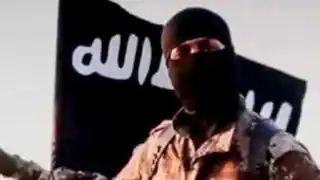
Abu-Bilal al-Minuki Biography
Abu-Bilal al-Minuki was a Nigerian-born Islamic State commander who became one of the most feared extremist figures operating in West Africa and the Sahel region. He gained international attention for his senior leadership role within the Islamic State West Africa Province, widely known as ISWAP, where he was accused of coordinating militant attacks, weapons operations, propaganda activities, and cross-border insurgency networks. Over the years, security agencies and intelligence officials identified him as a key strategist behind ISIS expansion efforts across parts of Africa.
Born in Mainok, Borno State, Abu-Bilal al-Minuki rose from the troubled northeastern region of Nigeria during a period marked by insurgency and instability. His influence reportedly expanded beyond Nigeria into neighboring countries around the Lake Chad Basin. International counterterrorism agencies described him as one of the most influential ISIS-linked leaders in Africa due to his involvement in operational planning, recruitment, bomb-making coordination, and extremist financing networks.
In May 2026, Abu-Bilal al-Minuki became the center of global headlines after reports confirmed that he was killed during a joint military operation involving Nigerian and United States forces. The announcement was publicly confirmed by U.S. President Donald Trump and later acknowledged by Nigerian authorities. His death was described as a major breakthrough in ongoing counterterrorism operations targeting ISIS leadership structures in Africa and the Middle East.
Abu-Bilal al-Minuki Early Life and Background
Abu-Bilal al-Minuki was born in Mainok, a town located in Borno State in northeastern Nigeria. Public records and intelligence reports place his birth around 1982. He grew up in a region that later became one of the most affected areas during the Boko Haram insurgency and the rise of extremist violence across the Lake Chad Basin. His nickname “al-Minuki” or “al-Mainuki” was believed to have been derived from his hometown of Mainok.
Very little verified public information exists about his family background, childhood experiences, or parents. However, available reports suggest that he spent most of his early years in northern Nigeria during a period of political instability, economic hardship, and growing religious extremism in the region. These conditions later contributed to the recruitment of many young men into militant and insurgent movements operating across northeastern Nigeria.
Public sources confirm that he completed his primary and secondary education in Nigeria. He is also believed to have received Islamic religious teachings during his formative years, which reportedly shaped his ideological beliefs later in life. Over time, he became associated with extremist networks operating in Borno State and surrounding territories before eventually rising within the ranks of ISIS-linked militant groups in West Africa.
His early involvement with insurgent activities remained largely hidden from public attention until intelligence agencies and counterterrorism organizations later identified him as a senior operational figure connected to the Islamic State West Africa Province. By the early 2020s, he had emerged as one of the most influential extremist commanders linked to ISIS operations across Africa.
Rise Within ISIS and ISWAP Leadership
Abu-Bilal al-Minuki gradually rose through the ranks of extremist groups operating in northeastern Nigeria and the wider Lake Chad Basin. Security reports linked him first to militant networks connected to Boko Haram before he later became deeply involved with the Islamic State West Africa Province, commonly known as ISWAP. His ability to organize operations, manage fighters, and coordinate logistics reportedly helped him gain influence within the group’s leadership structure.
As ISIS expanded its presence in Africa, al-Minuki became known as one of the group’s most trusted commanders in West Africa. Intelligence agencies accused him of overseeing major operational activities including recruitment, movement of weapons, bomb-making coordination, propaganda distribution, and tactical planning for attacks across Nigeria and neighboring countries. Reports also connected him to efforts aimed at strengthening ISIS influence throughout the Sahel region.
His reputation within the organization grew rapidly because of his strategic role in militant operations. Counterterrorism analysts described him as a skilled organizer who helped modernize certain aspects of ISIS-linked insurgency activities in Africa. He was reportedly involved in coordinating drone usage, explosives production, and communication systems used by militant cells operating in remote territories around Lake Chad.
By 2023, international authorities officially recognized him as one of the most dangerous ISIS figures in Africa. The United States government designated him as a Specially Designated Global Terrorist due to his alleged involvement in terrorism financing, extremist coordination, and support for ISIS regional operations. His growing influence eventually earned him recognition as one of the senior ISIS leaders operating outside the Middle East.
Before his reported death in 2026, intelligence sources claimed that Abu-Bilal al-Minuki had become one of the highest-ranking ISIS commanders globally. His leadership role made him a major target for counterterrorism operations carried out by Nigerian forces and international allies seeking to weaken ISIS networks across Africa.
Abu-Bilal al-Minuki Recent News and Death in 2026
Abu-Bilal al-Minuki became the center of international attention on May 16, 2026, after reports confirmed that he was killed during a joint counterterrorism operation carried out by United States and Nigerian forces in northeastern Nigeria. The operation reportedly targeted militant hideouts around Metele in Borno State and the wider Lake Chad Basin region.
United States President Donald Trump publicly announced the operation, describing Abu-Bilal al-Minuki as the “second in command of ISIS globally” and one of the most active terrorist leaders operating in the world. According to official statements, the mission was carefully planned with intelligence support and executed successfully without reported casualties among allied forces.
Nigerian President Bola Ahmed Tinubu later confirmed the operation and praised the cooperation between Nigerian security agencies and U.S. Africa Command. Nigerian military authorities stated that several of al-Minuki’s close lieutenants were also eliminated during the strike, dealing a major blow to ISIS-linked operations across West Africa and the Sahel.
Security analysts described his death as one of the most significant counterterrorism victories against ISIS leadership in recent years. Intelligence reports accused al-Minuki of overseeing weapons production, extremist propaganda, drone programs, recruitment networks, and operational coordination for ISIS activities across Africa. His elimination was viewed as a major setback for ISWAP and ISIS expansion efforts in the Lake Chad region.
Following the announcement, global media outlets widely covered the operation due to al-Minuki’s reported influence within ISIS structures beyond Africa. International observers noted that the mission reflected increasing military cooperation between Nigeria and the United States in efforts to combat terrorism and insurgency across the region.
Abu-Bilal al-Minuki Legacy and Impact
Abu-Bilal al-Minuki’s legacy remains deeply tied to terrorism, insurgency, and the expansion of ISIS-linked activities across West Africa and the Sahel region. Security agencies and counterterrorism experts regarded him as one of the most influential extremist commanders operating outside the Middle East. His leadership within the Islamic State West Africa Province helped strengthen the group’s operational structure and increased ISIS visibility across parts of Africa.
During his years within ISIS-linked networks, al-Minuki was accused of contributing to the growth of militant operations through recruitment, propaganda campaigns, tactical coordination, and the development of bomb-making and drone capabilities. Intelligence reports claimed that he played a key role in modernizing insurgent activities in remote territories around Lake Chad, making extremist groups more organized and difficult for security forces to track.
His reported rise to the position of one of ISIS’s highest-ranking global commanders highlighted the growing importance of Africa within the organization’s international operations. Analysts believed his influence extended beyond Nigeria into neighboring countries affected by insurgency and armed conflict. His activities also intensified international concern about the spread of extremist movements throughout the Sahel region.
Following his death in 2026, many security experts described the operation against him as a major breakthrough in global counterterrorism efforts. Nigerian and international officials argued that eliminating al-Minuki could weaken ISIS coordination networks in West Africa and reduce the operational strength of ISWAP. His death was therefore seen as both a symbolic and strategic victory for governments fighting extremist violence in the region.
Despite this, analysts warned that militant organizations often survive beyond the death of individual leaders. While Abu-Bilal al-Minuki became one of the most recognized ISIS-linked figures in Africa, his legacy also serves as a reminder of the long-term security challenges created by insurgency, political instability, poverty, and extremist ideology across the Lake Chad Basin and surrounding regions.
Conclusion
In conclusion, Abu-Bilal al-Minuki became one of the most feared and influential ISIS-linked commanders in Africa through his leadership role within ISWAP and his involvement in extremist operations across West Africa and the Sahel. His rise from northeastern Nigeria to becoming a globally recognized terrorist figure reflected the growing strength of ISIS networks in Africa. Although his reported death in 2026 was viewed as a major victory for Nigerian and international counterterrorism forces, his legacy continues to symbolize the dangers of insurgency, radicalization, and insecurity facing the Lake Chad region and surrounding African nations.
Frequently Asked Questions About Abu-Bilal al-Minuki
1. Who was Abu-Bilal al-Minuki?
Abu-Bilal al-Minuki was a Nigerian-born senior ISIS commander linked to the Islamic State West Africa Province. He became known for coordinating extremist operations across West Africa and the Sahel region.
2. What was Abu-Bilal al-Minuki’s real name?
His real name was reported as Abu Bakr ibn Muhammad ibn Ali al-Mainuki. He was also widely known by aliases such as Abu Mainok and Abu-Bilal al-Minuki.
3. Where was Abu-Bilal al-Minuki from?
He was from Mainok in Borno State, northeastern Nigeria. His nickname “al-Minuki” was believed to have been derived from the name of his hometown.
4. How old was Abu-Bilal al-Minuki?
Reports suggested that he was born around 1982, making him approximately 44 years old at the time of his reported death in 2026.
5. Why was Abu-Bilal al-Minuki famous?
He became internationally known for his senior leadership role within ISIS-linked operations in Africa, especially through his involvement in recruitment, propaganda, weapons coordination, and militant strategy.
6. Was Abu-Bilal al-Minuki part of Boko Haram?
Security reports linked him to extremist networks connected to Boko Haram before he later became associated with the Islamic State West Africa Province, also known as ISWAP.
7. What was Abu-Bilal al-Minuki’s role in ISIS?
He was described by intelligence agencies as a senior ISIS commander responsible for operational planning, bomb-making coordination, propaganda activities, and expansion of ISIS influence in Africa.
8. When did Abu-Bilal al-Minuki die?
He was reportedly killed on May 16, 2026, during a joint military operation involving Nigerian forces and the United States military in Borno State.
10. Where was Abu-Bilal al-Minuki killed?
Reports stated that he was killed around the Metele area of Borno State near the Lake Chad Basin during a counterterrorism strike targeting ISIS-linked militants.
11. What impact did Abu-Bilal al-Minuki have?
His activities contributed to the growth of ISIS-linked insurgency in West Africa. Security analysts viewed him as one of the most influential extremist leaders operating in Africa before his death.